
Why Start a Podcast on Spotify?
So, you're thinking about starting a podcast? That's fantastic! But why should you consider launching your podcast on Spotify? Well, let's dive into the reasons.
Spotify is a powerhouse in the podcasting world. With millions of listeners worldwide, Spotify offers a vast audience for your podcast. This platform is not just for music anymore; it's a thriving hub for podcast enthusiasts. If you're wondering how to get your podcasts on Spotify, don't worry. We'll cover that in detail later in this guide.
Another reason to start a podcast on Spotify is its user-friendly interface. Both listeners and creators find Spotify easy to navigate, making it a top choice for beginners. Plus, Spotify's algorithm can help new listeners discover your podcast, increasing your reach.
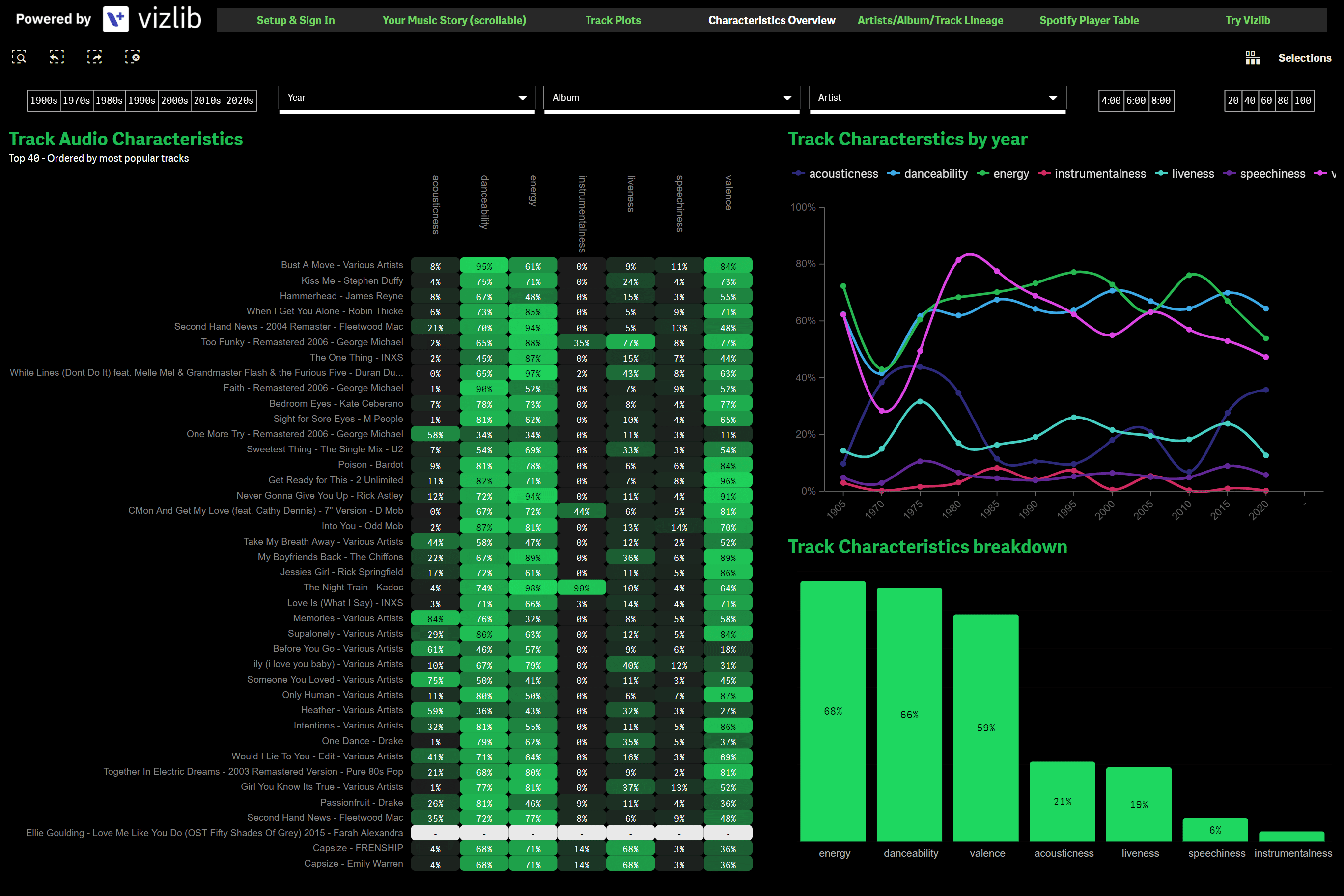
Spotify also offers excellent analytics. As a podcaster, it's crucial to understand your audience. Spotify provides detailed insights about your listeners, such as their age, gender, location, and listening habits. These analytics can help you tailor your content to your audience, improving engagement and retention.
Lastly, Spotify's seamless integration with social media platforms makes sharing your podcast a breeze. Listeners can easily share episodes on their social media profiles, helping you reach a broader audience.
In summary, starting a podcast on Spotify can provide you with a large potential audience, a user-friendly platform, valuable analytics, and easy social media sharing. Stay tuned for our next section where we'll dive into choosing the right equipment for your home podcast studio.
Choosing the Right Equipment for Your Home Podcast Studio
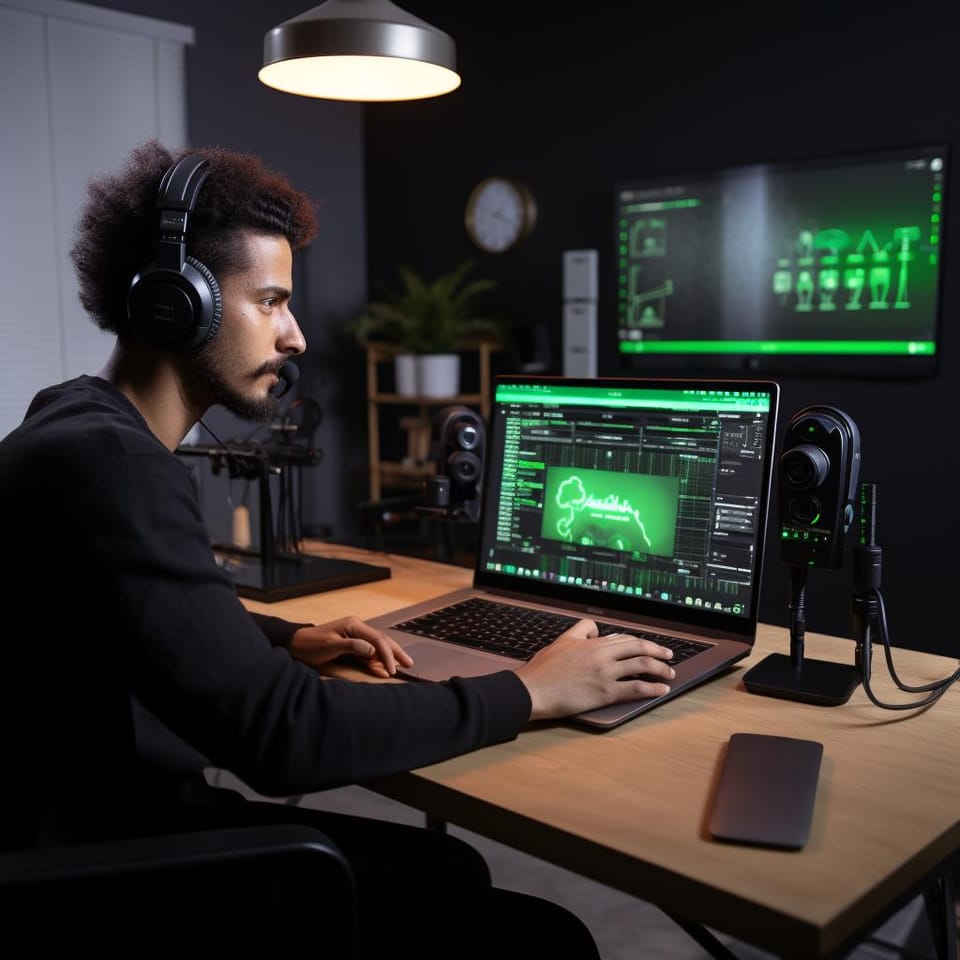
Now that we've established why Spotify is an excellent platform for your podcast, let's move on to the next crucial step: Choosing the right equipment for your home podcast studio. This is where things get exciting, as you start to build your own podcast studio.
First and foremost, you'll need a high-quality microphone. Your microphone is the primary tool that captures your voice, so it's essential to invest in a good one. A USB microphone is a great choice for beginners due to its ease of use and affordability. However, if you're looking for superior sound quality, consider an XLR microphone. 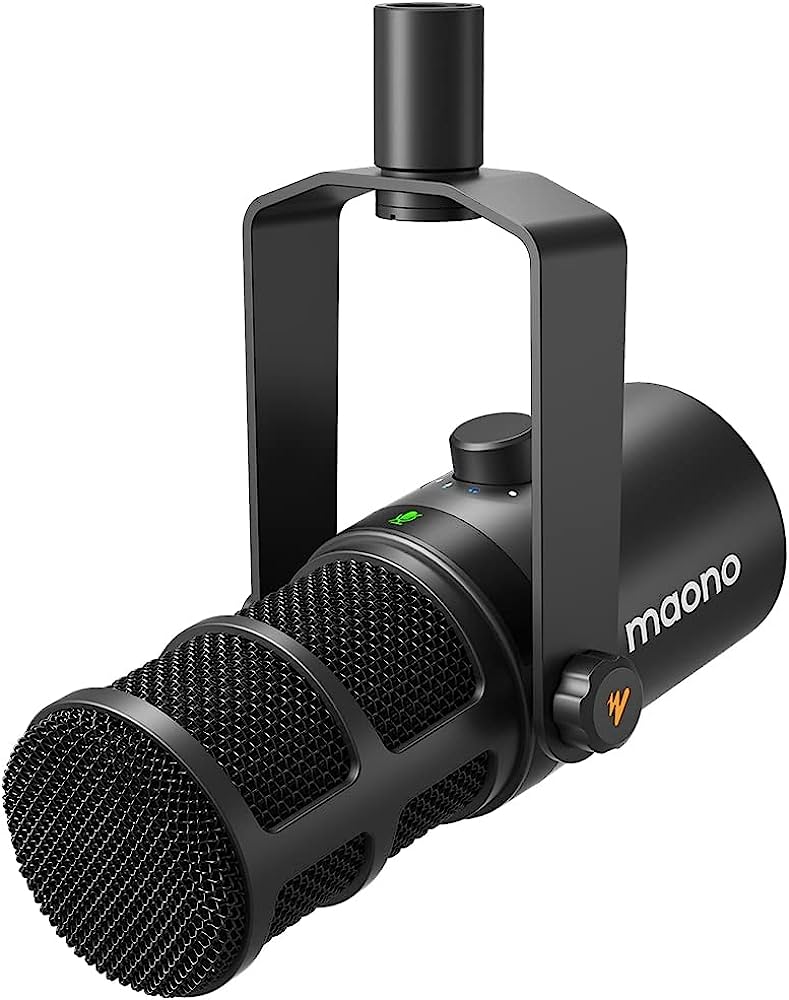
Next, you'll need a set of headphones. A pair of closed-back headphones is ideal for podcasting as they prevent sound leakage, ensuring that your microphone only picks up your voice and not any background noise. 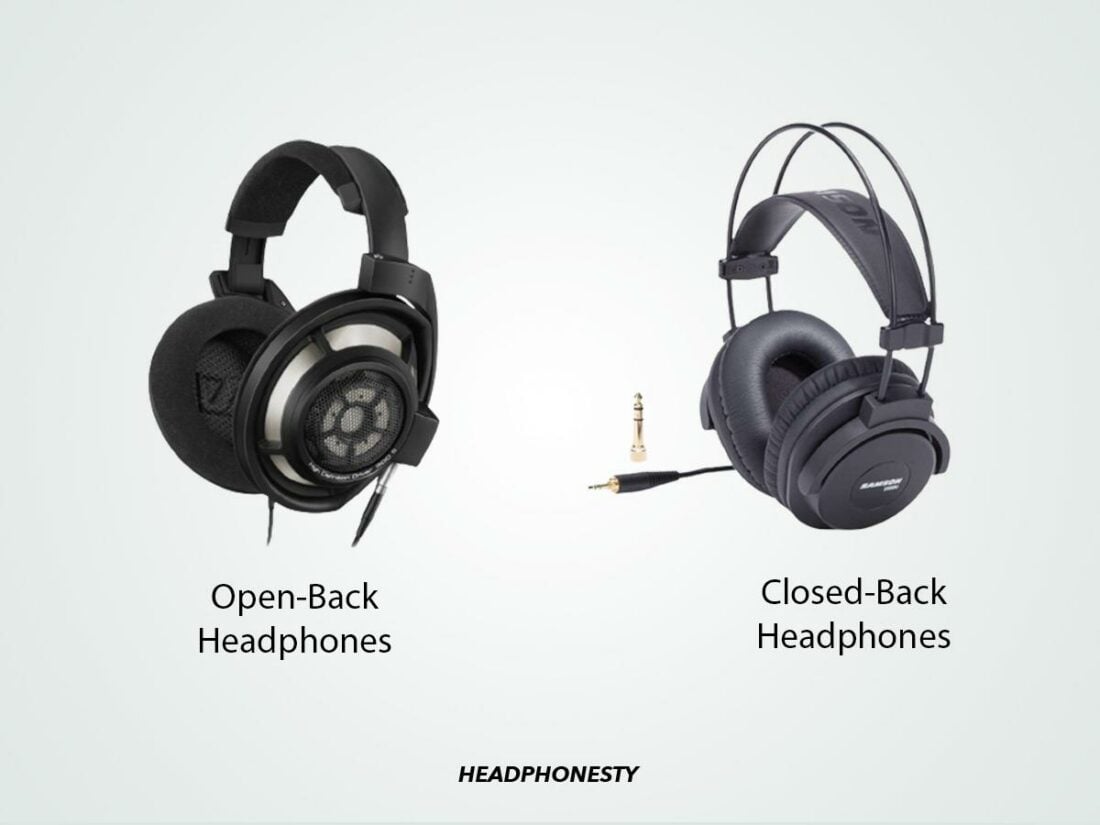
Another key component of your home podcast studio is the audio interface. This device connects your microphone to your computer, converting the analog signal from your microphone into a digital signal that your computer can process. If you're using a USB microphone, you won't need an audio interface as the microphone can connect directly to your computer. 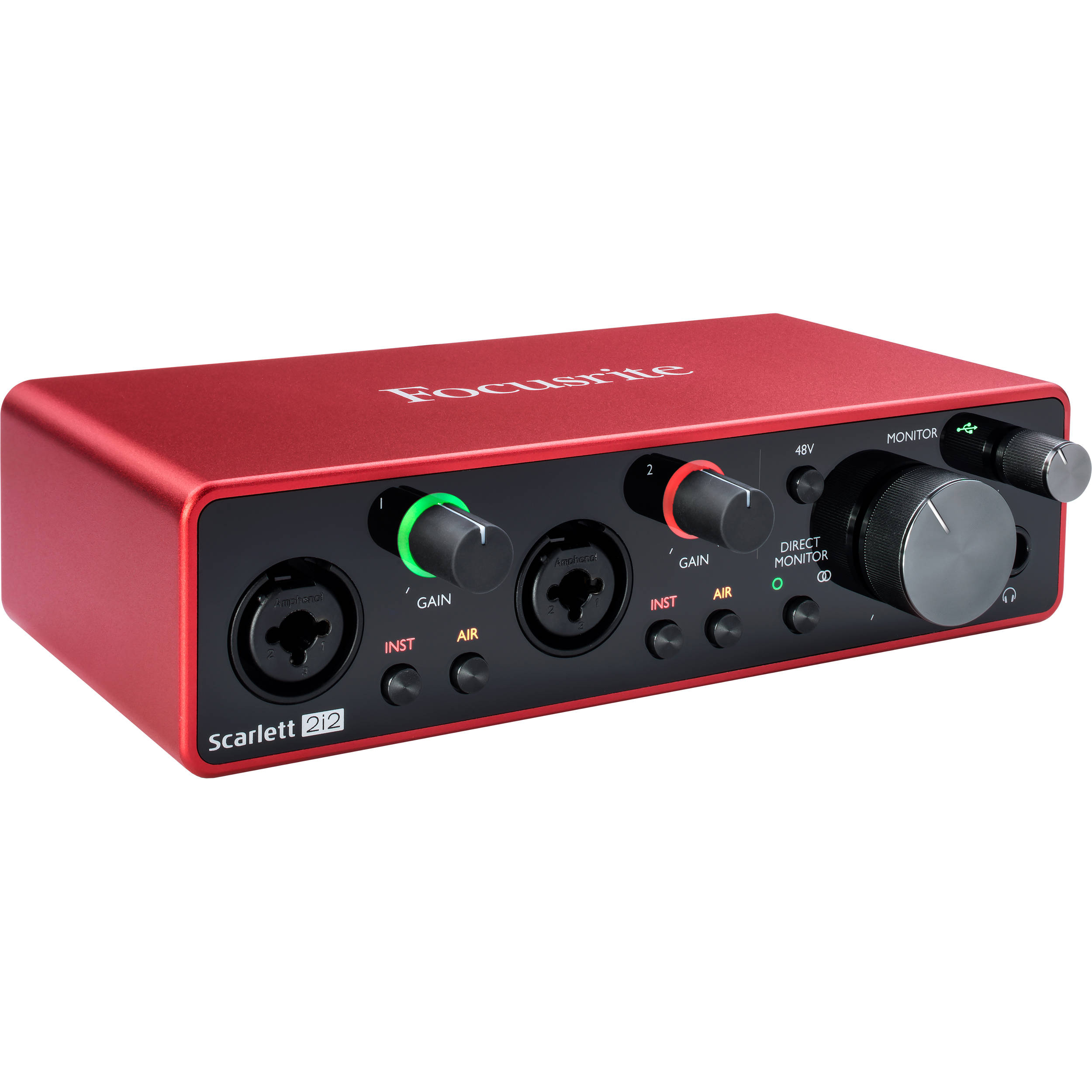
Lastly, consider investing in a pop filter and a microphone stand. A pop filter reduces plosive sounds (like 'p' and 'b' sounds), while a microphone stand keeps your microphone stable, reducing handling noise. 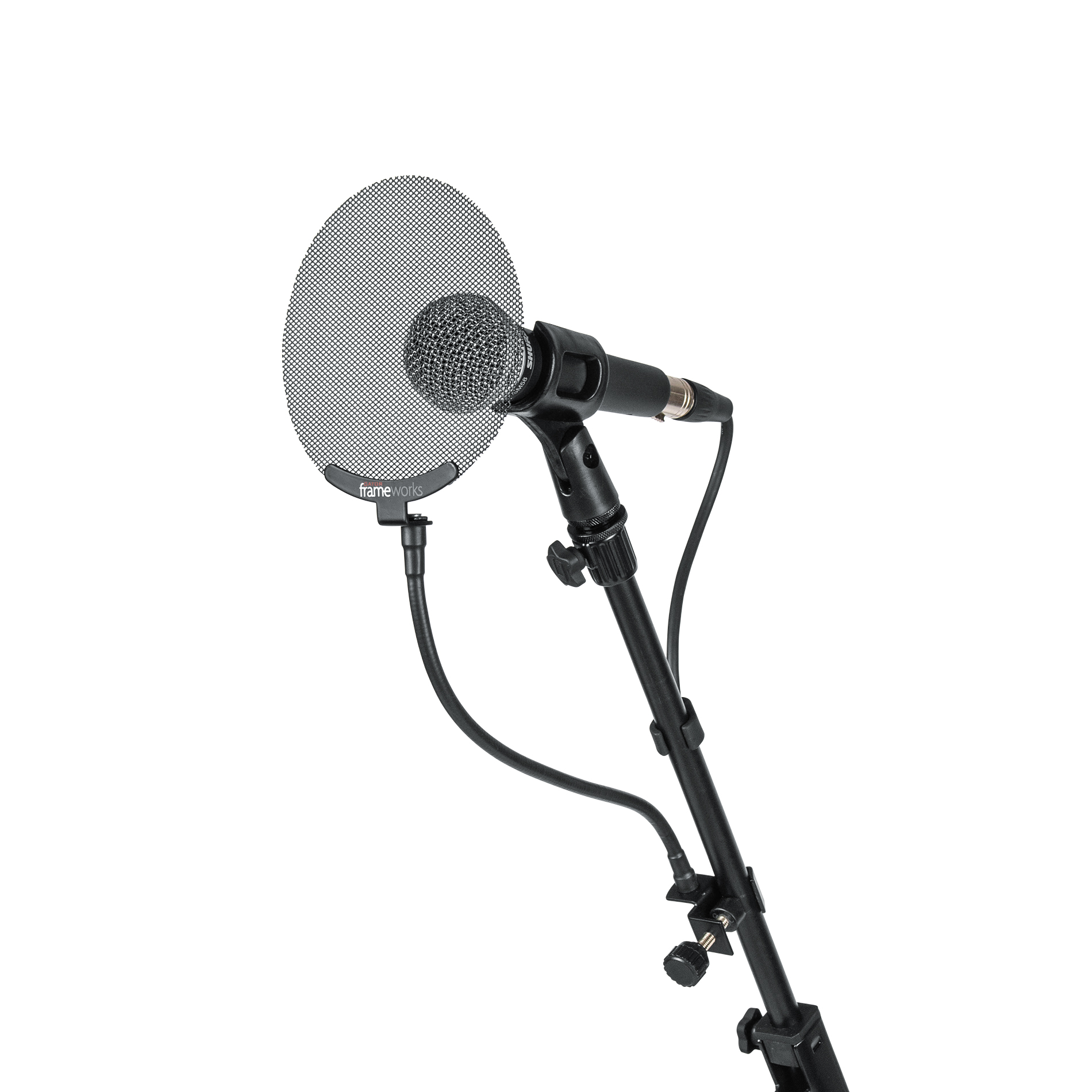
Remember, the quality of your podcast largely depends on the quality of your audio. Therefore, investing in the right equipment is crucial. In the next section, we'll discuss how to set up your home podcast studio. Stay tuned!
Setting Up Your Home Podcast Studio
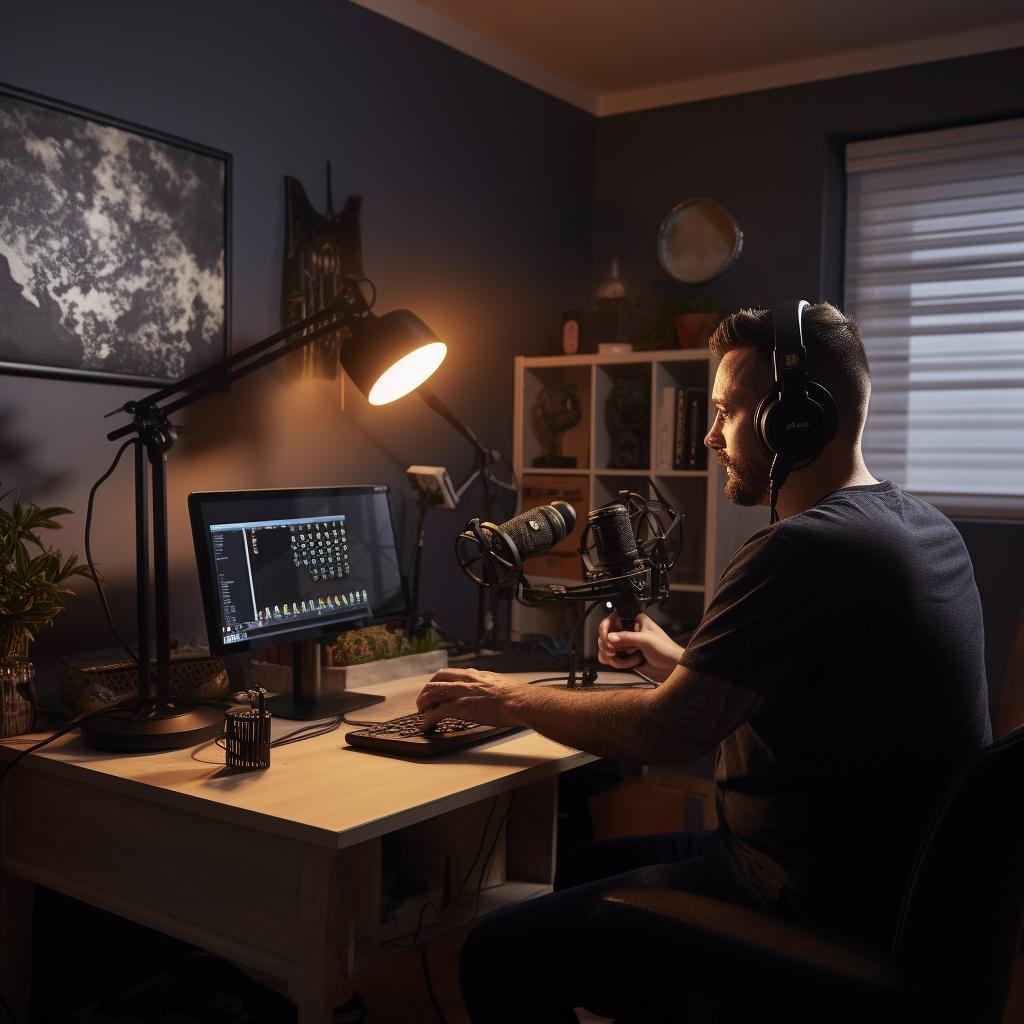
Setting up your home podcast studio is an exhilarating journey, a process where you transform a corner of your home into a creative hub. The first step in this process is selecting the right location. Choose a quiet, comfortable space with minimal background noise. This could be a spare room, a corner of your living room, or even a closet. The goal is to find a space where you can focus and record without interruptions. 
Once you've chosen your space, it's time to set up your equipment. Start by positioning your microphone. The microphone should be at a comfortable height, typically at the level of your mouth when you're seated. Attach your pop filter to the microphone stand, positioning it between you and the microphone. This will help reduce plosive sounds and improve the overall audio quality of your podcast. 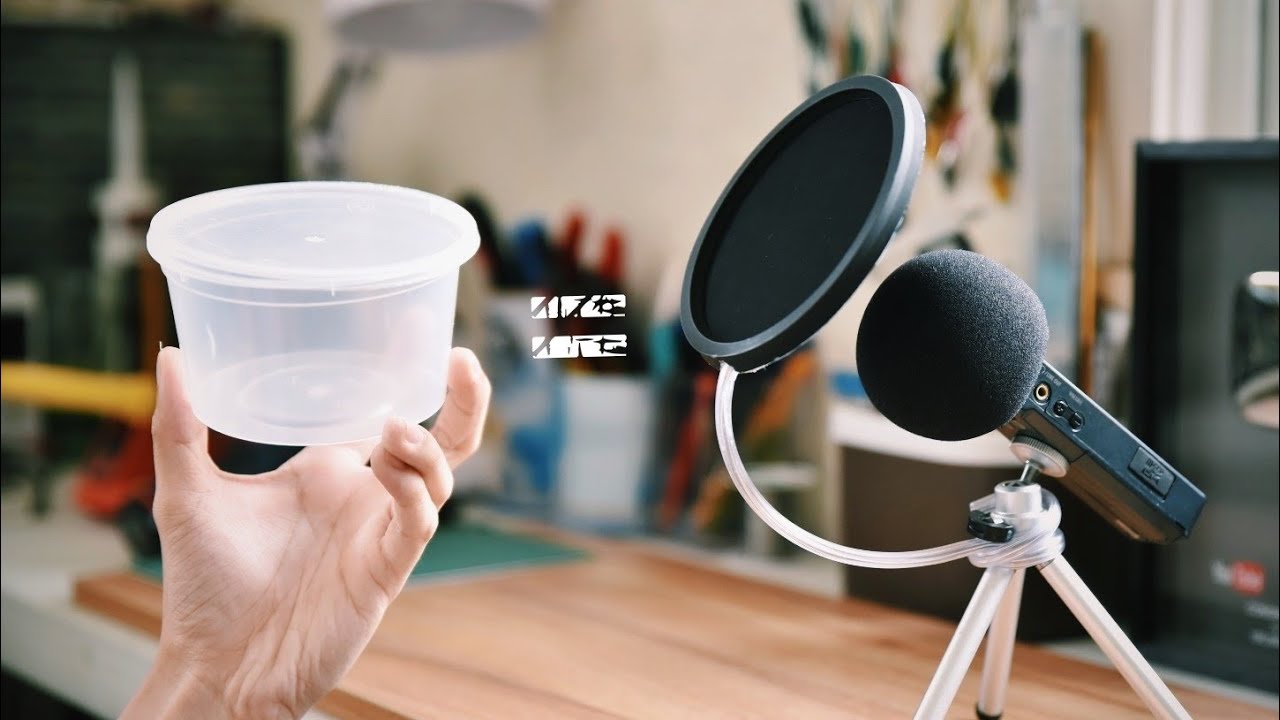
Next, connect your microphone to your computer. If you're using a USB microphone, simply plug it into a USB port on your computer. If you're using an XLR microphone, you'll need to connect it to your audio interface first, and then connect the audio interface to your computer. 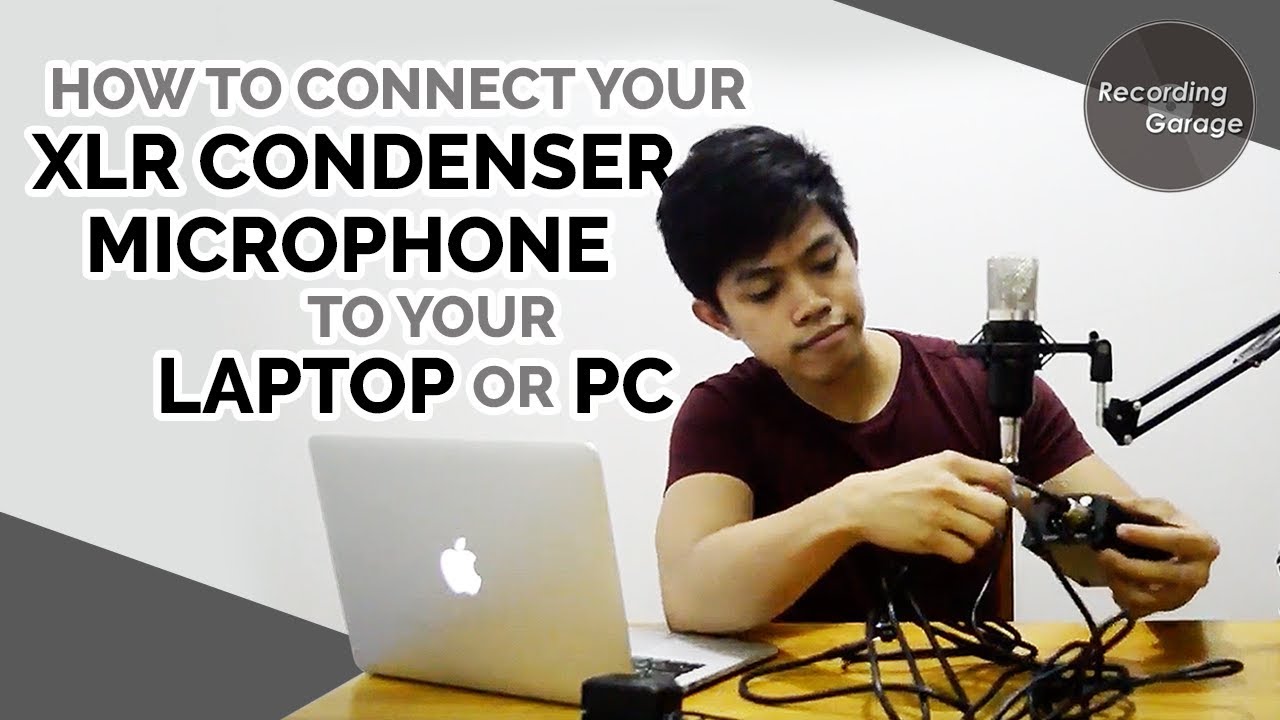
Finally, set up your headphones. Plug them into the headphone jack on your computer or audio interface. Remember, a good pair of headphones is crucial for monitoring your audio while recording and editing your podcast episodes. 
And there you have it! You've successfully set up your home podcast studio. Now, you're ready to start recording your first podcast episode. In the next section, we'll delve into the process of recording and editing your podcast episodes. So, stay tuned!
Creating and Uploading Your Podcast to Spotify
Now that you've got your podcast recorded and edited, it's time to share it with the world. Let's dive into how to get your podcasts on Spotify. Spotify is a popular platform for podcast listeners, making it a great place to start sharing your content.
First, you'll need to create a Spotify account if you don't already have one. Once you've done that, you can head over to the Spotify for Podcasters page and click on 'Get Started'. You'll be guided through the process of submitting your podcast, which includes providing your podcast's RSS feed. This feed is a URL that you get from your podcast hosting platform. It's how Spotify gets your podcast episodes.
After you've submitted your RSS feed, you'll need to fill out some information about your podcast, like its name, category, and language. You'll also need to upload a cover art for your podcast. Make sure this image is clear, attractive, and represents your podcast well.
Once you've filled out all the necessary information, you can submit your podcast for review. Spotify typically takes a few days to approve new podcasts, so don't worry if you don't see your podcast on Spotify immediately.
And there you have it! You've just learned how to podcast on Spotify. Remember, starting a podcast on Spotify is just the beginning. You'll need to consistently produce high-quality content and engage with your audience to grow your podcast.
Stay tuned for more home podcasting tips and equipment recommendations to help you build your own podcast studio and create engaging content.
Promoting Your Podcast on Spotify
Now that you've successfully set up your podcast on Spotify, it's time to shift gears and focus on promoting your podcast. This is a crucial step in your Spotify podcast setup guide, as it helps increase your podcast's visibility and reach a wider audience.
One of the most effective ways to promote your podcast is by leveraging social media platforms. Create engaging posts about your podcast and share them on platforms like Facebook, Twitter, and Instagram. Don't forget to include a link to your Spotify podcast in your posts. 
Another great strategy is to collaborate with other podcasters. This can help you tap into their audience and potentially gain new listeners. You can invite them as guests on your podcast or vice versa. This not only adds value to your content but also helps in cross-promotion.
Don't underestimate the power of SEO. Make sure to optimize your podcast's title, description, and show notes with relevant keywords. This can help your podcast appear in search results when someone searches for those keywords.
Lastly, consider running paid ads. Platforms like Facebook and Google allow you to target specific demographics, which can help you reach your ideal audience. 
Remember, promoting a podcast takes time and effort. But with consistent effort and the right strategies, you can increase your podcast's visibility and grow your listener base. Keep these tips in mind as you continue your journey in starting a podcast on Spotify.
Stay tuned for more tips on building a home podcast studio, podcast equipment recommendations, and more. Happy podcasting!
Engaging with Your Audience on Spotify
Engaging with your audience on Spotify is a critical aspect of running a successful podcast. It's not just about broadcasting your thoughts and ideas; it's about creating a community and fostering a sense of connection with your listeners. Here are a few strategies to help you engage effectively with your audience.
Firstly, make use of the Q&A feature on Spotify. This feature allows you to interact with your listeners by answering their questions directly. It's a great way to make your listeners feel heard and valued. 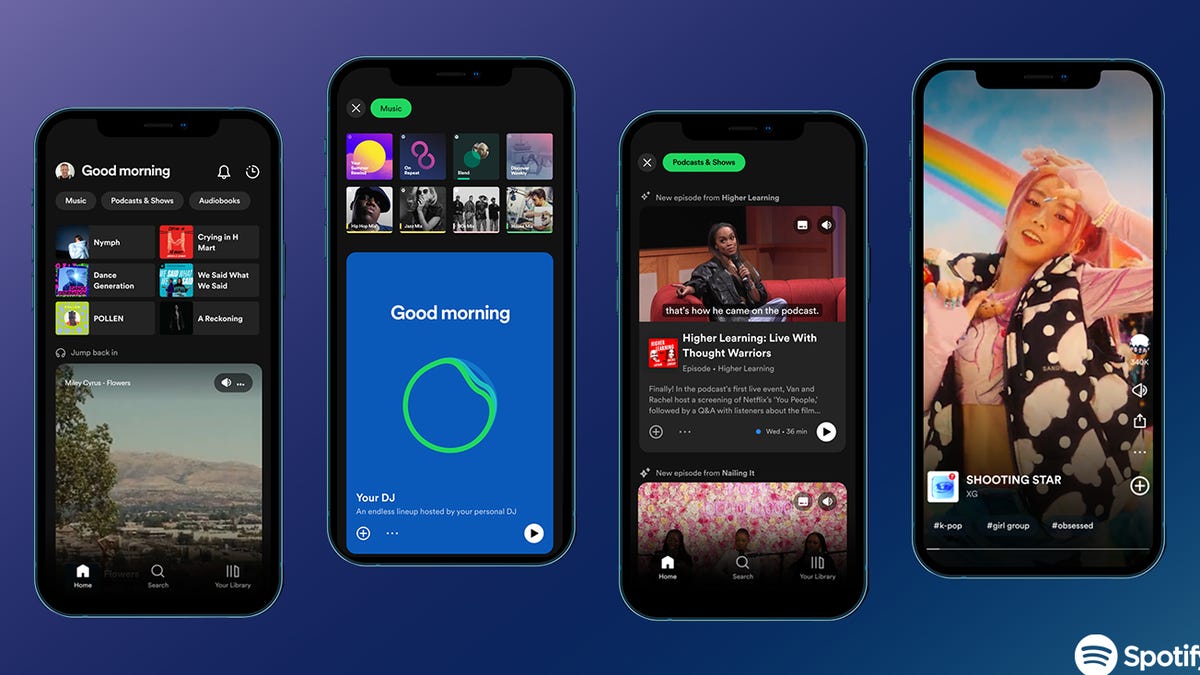
Secondly, consider incorporating listener feedback into your podcast episodes. This could be in the form of answering listener questions, addressing comments, or even incorporating suggestions for topics. This not only makes your content more interactive but also shows your listeners that their opinions matter.
Another effective strategy is to create a Spotify playlist related to your podcast. For instance, if your podcast is about music, you could create a playlist featuring songs you've discussed in your episodes. This adds an extra layer of engagement and gives your listeners something to look forward to. 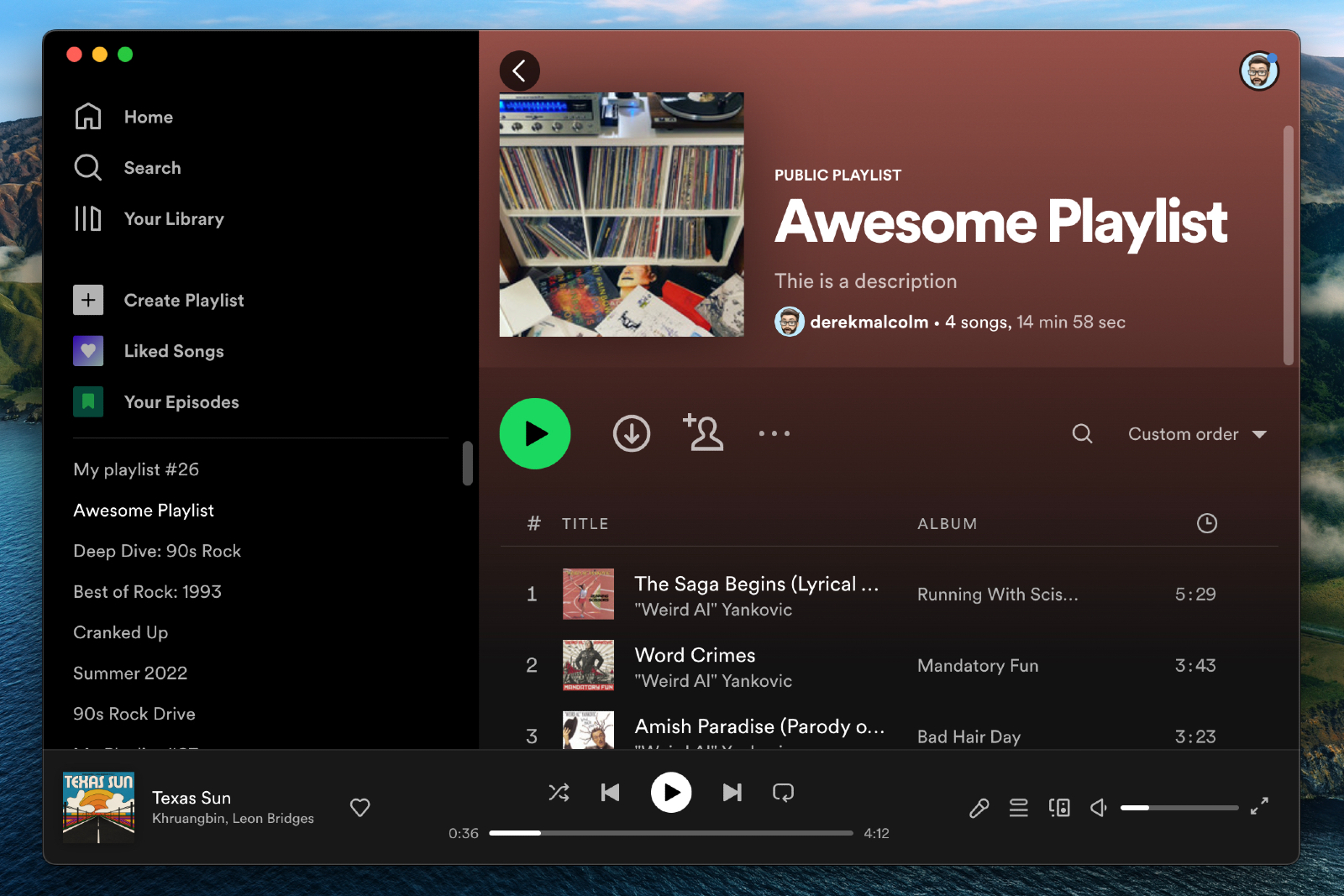
Lastly, don't forget to promote your podcast episodes on your social media platforms. Encourage your followers to listen to your latest episode and leave a review on Spotify. Reviews not only provide valuable feedback but also help boost your podcast's visibility on the platform.
Remember, engaging with your audience is a two-way street. It's about listening as much as it is about speaking. So, make sure to take the time to understand your listeners and respond to their feedback. This will not only help you build a loyal listener base but also enhance the overall quality of your podcast.
Keep these tips in mind as you continue your journey in starting a podcast on Spotify. Stay tuned for more tips on building a home podcast studio, podcast equipment recommendations, and more. Happy podcasting!
Understanding the Podcast Landscape on Spotify
Imagine the thrill of sharing your unique voice and ideas with the world, right from the comfort of your home. That's the power of podcasting. And when it comes to podcasting platforms, Spotify reigns supreme. But how do you start a podcast on Spotify? What does the podcast landscape on Spotify look like? Let's dive in.
Spotify is not just a music streaming giant; it's a thriving hub for podcasters and listeners alike. With over 2 million podcasts hosted on the platform, it's clear that Spotify is a fertile ground for both budding and seasoned podcasters. But don't let the numbers intimidate you. This vast landscape is an opportunity, a testament to the growing appetite for diverse, engaging audio content. Whether you're a storyteller, an industry expert, or simply someone with a unique perspective, there's room for you on Spotify.
But how do you navigate this landscape? How do you start a podcast on Spotify that stands out from the crowd? This detailed podcast walkthrough will guide you through the process, from conceptualizing your podcast idea to setting up your home podcast studio, from mastering the technical aspects of Spotify podcast setup to promoting your podcast effectively. You'll also get insights into the essential home podcast studio equipment, and tips for building a home podcast studio that suits your needs.
So, are you ready to embark on this exciting journey? Let's get started on turning your podcast dream into a reality.
The Basics: How to Start a Podcast from Scratch
So, you're ready to take the plunge and start a podcast on Spotify, but where do you begin? The first step is to understand the basics of how to start a podcast from scratch. It's not just about having a great idea; it's about translating that idea into a compelling audio experience. This journey begins with a clear vision and a well-defined concept. What is your podcast about? Who is your target audience? What makes your podcast unique? Answering these questions will help you craft a podcast that resonates with listeners and stands out in the crowded Spotify podcast landscape.
Once you've nailed down your concept, it's time to plan your episodes. A well-structured podcast not only engages your audience but also makes the recording process smoother. This involves deciding on the format of your show, the length of your episodes, and the frequency of your broadcasts. Remember, consistency is key in podcasting. Regular uploads can help you build a loyal listener base and boost your visibility on Spotify.
Now, let's talk about the technical side of things. To start a podcast, you'll need some basic home podcast studio equipment. Don't worry, you don't need to break the bank to get started. A good quality microphone, headphones, and a computer with editing software are the basic essentials. We'll delve deeper into this in the next section, Building Your Home Podcast Studio: Essential Equipment.
Finally, you'll need to record your first episode and get it ready for upload. This involves recording your audio, editing it for clarity and flow, and exporting it in a format suitable for Spotify. But don't fret, we'll guide you through this process in our Spotify podcast setup guide.
Starting a podcast from scratch may seem daunting, but with a clear vision, careful planning, and the right equipment, you'll be well on your way to launching your own show on Spotify. So, are you ready to turn your podcast idea into a reality?
Building Your Home Podcast Studio: Essential Equipment
Stepping into the world of podcasting requires more than just a great idea and a clear vision. It's about creating an immersive audio experience for your listeners, and that's where your home podcast studio comes into play. So, what essential equipment do you need to build a home podcast studio?
First and foremost, a high-quality microphone is a must. This is the heart of your studio setup. It's what captures your voice and translates it into digital audio. You don't need to spend a fortune, but investing in a good quality microphone can significantly improve the sound quality of your podcast. 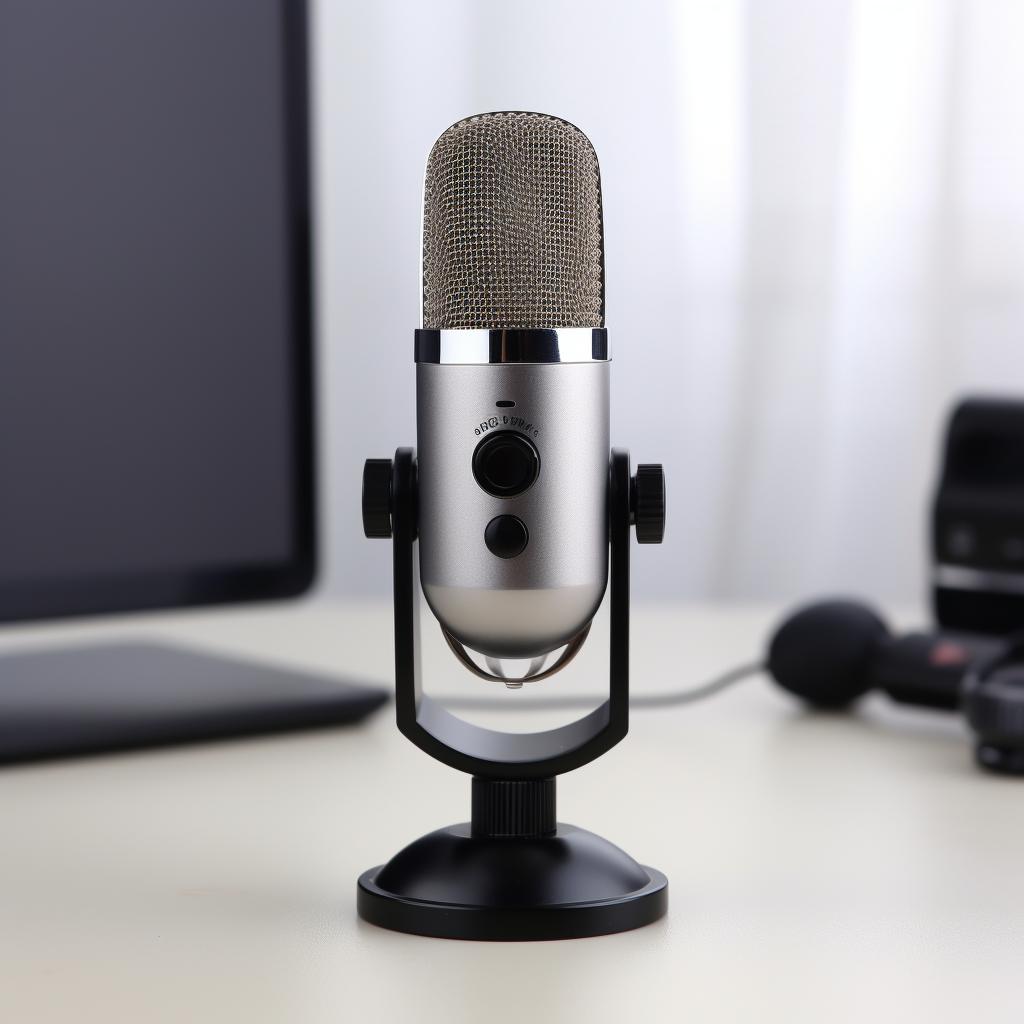
Next, you'll need a pair of reliable headphones. These are crucial for monitoring your audio while recording and during the editing process. Look for closed-back headphones for the best sound isolation. 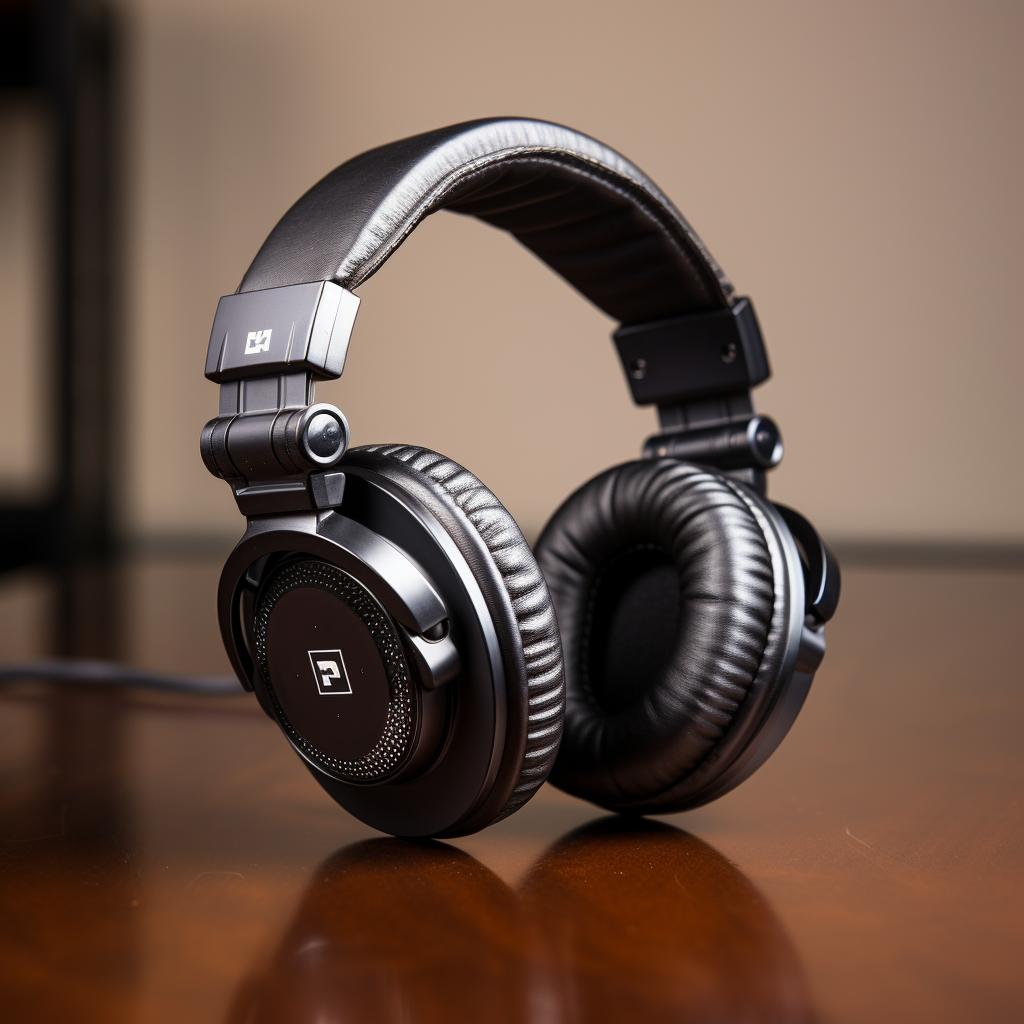
Of course, you'll also need a computer with podcast editing software. There are plenty of free and paid options available, so choose one that suits your budget and skill level. Remember, the software should be user-friendly and capable of producing high-quality audio files suitable for Spotify.
Lastly, consider investing in a pop filter. This handy tool can help reduce unwanted noise from your breath hitting the microphone, ensuring a cleaner, more professional sound. 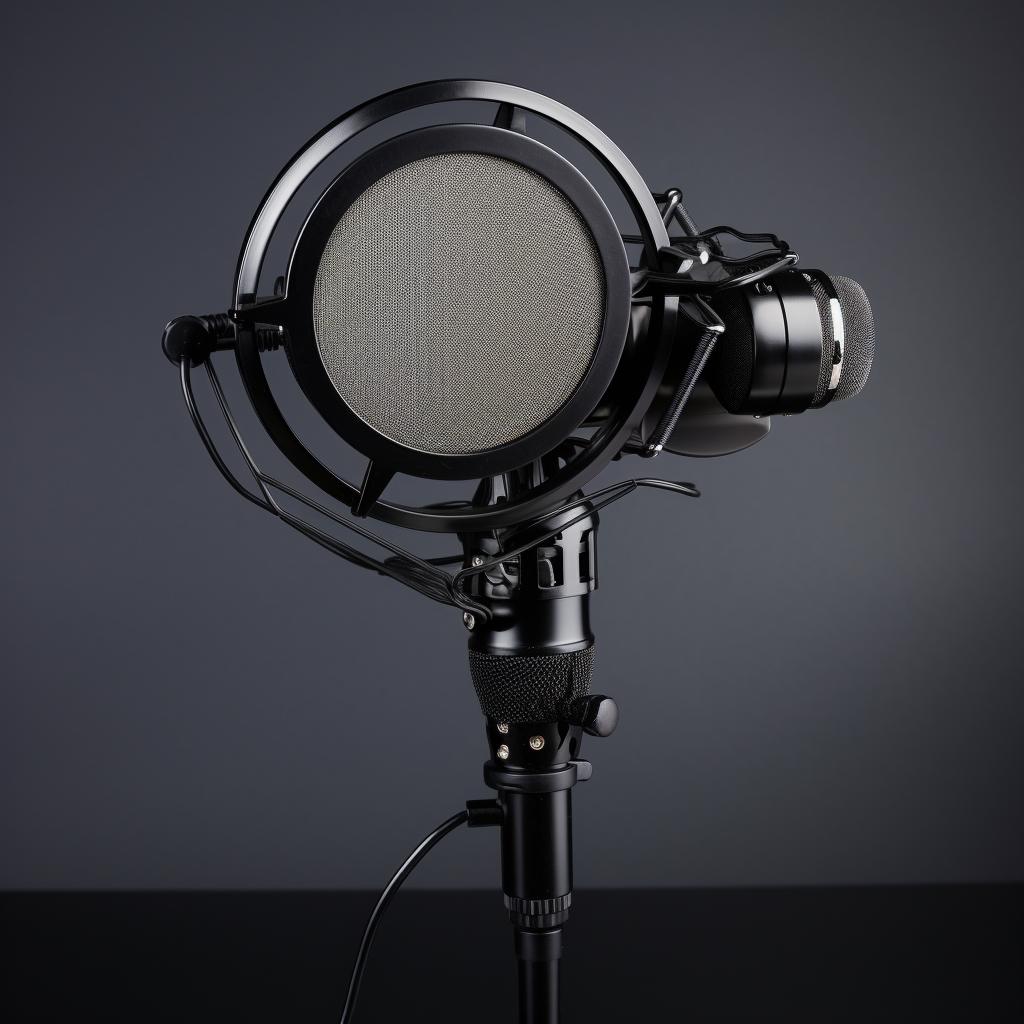
Building a home podcast studio might seem like a daunting task, but it doesn't have to be. With the right equipment and a bit of patience, you can create a professional studio right in your own home. So, are you ready to start your podcasting journey with the perfect home studio setup?
Step-by-Step Guide: Spotify Podcast Setup
Now that you've got your home podcast studio all set up with the right equipment, it's time to dive into the exciting world of podcasting on Spotify. But how do you start a podcast on this popular platform? Follow our detailed podcast walkthrough for a smooth Spotify podcast setup.
Firstly, you need to create an account on Spotify for Podcasters. This is your gateway to uploading your podcast episodes, tracking your performance, and understanding your audience. Once you've signed up, click on 'Get Started' and then 'Create a Podcast'. Fill in all the necessary details about your podcast, such as the title, description, language, and category. Make sure your podcast description is engaging and accurately represents your content. This is what potential listeners will see when they come across your podcast on Spotify.
Next, you'll need to link your podcast's RSS feed. This is a URL that allows Spotify to automatically fetch new episodes from your podcast hosting platform. If you're unsure of how to find your RSS feed, refer to your hosting platform's help center or reach out to their support team. Once you've entered your RSS feed, Spotify will verify it and pull in your podcast's details. Review these details carefully before proceeding.
Lastly, you'll need to submit your podcast for review. Spotify typically reviews submissions within a few hours, but it can sometimes take up to five days. Once approved, your podcast will be live on Spotify for the world to hear!
Starting a podcast on Spotify may seem like a complex process, but with this step-by-step guide, you'll be able to navigate it with ease. Remember, the key to a successful podcast lies not just in the content you create, but also in how you present and distribute it. So, are you ready to take your podcasting journey to the next level with Spotify?
Mastering Your Home Podcast Studio Setup
Now that you've mastered the basics of how to start a podcast and the initial Spotify podcast setup, let's delve deeper into the art of mastering your home podcast studio setup. This is where the magic happens, where your ideas transform into engaging audio content that resonates with your listeners.
Firstly, remember that your home podcast studio is more than just a physical space. It's your creative hub, a place that should inspire you and facilitate the smooth flow of your podcasting process. So, make it personal. Surround yourself with items that spark creativity and keep you motivated.
Next, consider the acoustics of your space. Unwanted echoes can make your podcast sound unprofessional and hard to listen to. Simple solutions like adding soft furnishings or foam panels can drastically improve your sound quality.
Furthermore, don't underestimate the power of a good microphone. A high-quality microphone is a key piece of home podcast studio equipment that can make a significant difference in your audio quality. Also, invest in a pop filter to eliminate any unwanted 'popping' sounds.
Lastly, remember that mastering your home podcast studio setup also involves mastering the use of your equipment and software. Take the time to understand the ins and outs of your recording and editing software. This will not only improve the quality of your podcast but also make your podcasting journey more enjoyable and less stressful.
Building a home podcast studio may seem like a daunting task, but with the right approach and equipment, it can be a rewarding and fun project. So, are you ready to take the next step in your podcasting journey and create a space that truly reflects your podcasting vision?
Promoting Your Podcast on Spotify: Tips and Tricks
Now that you've built your home podcast studio and are comfortable with your equipment, it's time to dive into the next crucial step in your podcasting journey: promoting your podcast on Spotify. After all, what's a podcast without an audience eagerly waiting for your next episode?
First and foremost, understand your audience. Who are they? What are their interests? The more you know about your listeners, the better you can tailor your content and promotional strategies to their preferences. This understanding will also help you find your podcast's unique voice, setting it apart in the crowded Spotify podcast landscape.
Next, leverage the power of social media. Share your podcast episodes on platforms like Facebook, Twitter, and Instagram. Engage with your followers, respond to their comments, and encourage them to share your content. This not only increases your visibility but also helps build a community around your podcast. 
Don't forget about SEO. Use relevant keywords in your podcast title, description, and episode titles. This will make it easier for potential listeners to find your podcast when they search for related topics. Remember, the goal is to make your podcast as discoverable as possible.
Another effective strategy is to collaborate with other podcasters. Guest appearances can introduce your podcast to a whole new audience. Plus, it's a great way to learn from more experienced podcasters and gain valuable insights.
Lastly, be consistent. Regularly releasing new episodes not only keeps your audience engaged but also improves your podcast's ranking on Spotify. So, stick to a schedule and let your listeners know when they can expect new content.
Promoting a podcast may seem like a daunting task, but with these tips and tricks, you're well on your way to building a loyal listener base. So, are you ready to take your podcast from a home studio project to a Spotify sensation?
Navigating Challenges: A Detailed Podcast Walkthrough
As you embark on your podcasting journey, you'll undoubtedly face challenges. But remember, every hurdle is a stepping stone to mastering the art of podcasting. In this section, we'll walk you through some common challenges and provide solutions to help you navigate your way to success.
One of the most common challenges when starting a podcast is creating engaging content. It's not just about what you say, but how you say it. How do you keep your listeners hooked? The key is to be authentic and passionate about your topic. This genuine enthusiasm will resonate with your audience and keep them coming back for more.
Technical difficulties can also be a stumbling block. Whether it's mastering your home podcast studio setup or troubleshooting your home podcast studio equipment, it can be overwhelming. Don't let this deter you. Remember, every expert was once a beginner. There are plenty of resources available, from detailed podcast walkthroughs to Spotify podcast setup guides, to help you overcome these hurdles.
Another challenge is building an audience. As we discussed earlier, promoting your podcast effectively is crucial. But what if you're doing everything right and still not seeing the growth you'd like? Patience is key here. Building a loyal listener base takes time. Keep creating and sharing quality content, and your audience will grow.
Starting a podcast on Spotify may seem daunting, but with the right approach and a little perseverance, you can turn your dream into a reality. So, are you ready to take the leap and start your podcasting journey? Remember, the world needs to hear your unique voice. So, go ahead, set up your home podcast studio, and start podcasting!
And remember, we're here to help. Whether you're looking for tips on how to start a podcast, a Spotify podcast setup guide, or advice on building a home podcast studio, Fresh Out of the Booth has got you covered.
So, what are you waiting for? Let's get started on your podcasting journey today!

No comments yet. Be the first to share your thoughts!