

Budget podcast equipment: what actually works
Podcast equipment doesn’t need to bankrupt you to sound professional. The gear you buy should match your actual recording environment, not a hypothetical studio. A $50 USB microphone often outperforms a $300 XLR setup in untreated rooms because it captures less ambient noise and requires no external audio interface.
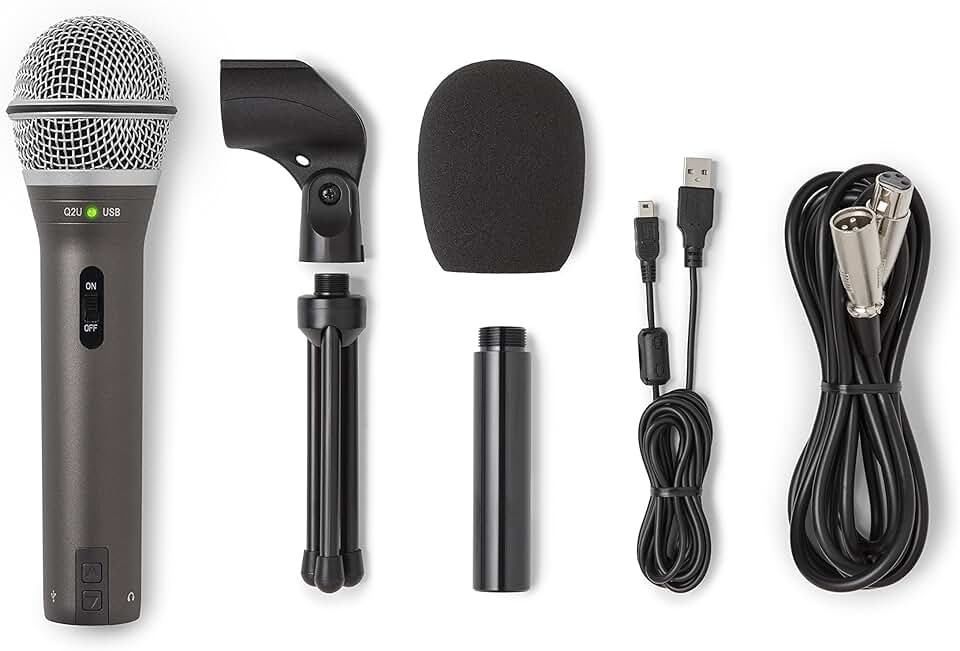
Start with the Samson Q2U. It’s a dynamic microphone that handles room echo better than most condenser mics, and it connects directly to your computer via USB or XLR. Pair it with wired Apple EarPods or similar budget headphones for monitoring. Wired headphones prevent audio feedback loops that wireless ones can cause. This combination costs less than many single high-end microphones but delivers broadcast-ready clarity for beginners.
Avoid the temptation to buy expensive acoustic treatment before buying good mics. A closet full of clothes works as well as a $200 foam panel for most home studios. Focus your budget on the microphone and headphones first. Once you have those, upgrade your recording software or add a pop filter only if you notice plosive sounds in your recordings. The Samson Q2U remains the most practical entry point for anyone starting a podcast in 2026.

As an Amazon Associate, we may earn from qualifying purchases.
Shortlist real options
Choosing the right podcast equipment means balancing audio quality, ease of use, and budget. Most beginner setups revolve around a single dynamic or USB microphone, a pair of closed-back headphones, and a simple interface or direct connection to your computer. The following table compares four widely recommended starter options based on connectivity, microphone type, and typical use case.
| Product | Connectivity | Mic Type | Best For |
|---|---|---|---|
| Samson Q2U | USB / XLR | Dynamic | Versatile beginners |
| Audio-Technica ATR2100x | USB / XLR | Dynamic | Future-proofing |
| Blue Yeti | USB | Condenser | Solo recording |
| Shure MV7 | USB / XLR | Dynamic | Broadcast quality |
The Samson Q2U remains a top choice because it offers both USB and XLR outputs. This dual connectivity allows you to start with a simple plug-in setup and later upgrade to an audio interface without replacing the microphone. The dynamic capsule rejects background noise well, making it suitable for untreated rooms.
For those who want slightly more polished sound out of the box, the Shure MV7 provides a warmer tone and includes software tools for leveling audio. It is more expensive but handles echo and room noise better than most USB-only options. The Blue Yeti is popular for its multiple pickup patterns, but its sensitive condenser element picks up every keyboard click and room echo, which can be frustrating in non-studio environments.
If you are planning to grow your podcast and eventually add a second host or mixer, the Audio-Technica ATR2100x is a strong alternative to the Q2U. It offers similar flexibility with XLR and USB connections. When selecting your kit, prioritize microphones that fit your current room conditions rather than chasing technical specs that won't matter in a noisy space.
Inspect the expensive parts
Best Podcast Equipment works best as a clear sequence: define the constraint, compare the realistic options, test the tradeoff, and choose the path with the fewest hidden costs. That order keeps the advice usable instead of decorative. After each step, pause long enough to check whether the recommendation still fits the reader's actual situation. If it depends on perfect timing, unusual access, or a best-case budget, include a simpler fallback.
Plan for ownership costs
A $100 microphone might seem like a safe entry point, but the real expense of podcasting often hides in the accessories you didn't expect to buy. The initial hardware is just the foundation; the supporting gear required to make that hardware usable can quickly double your budget.
The hidden cost of "plug-and-play"
Many beginners assume that buying a USB microphone is the end of the transaction. In reality, you still need a pair of wired headphones to monitor your audio. Wireless headphones introduce latency and compression artifacts that ruin recording quality. If you choose an XLR microphone for better sound, the costs scale further: you'll need an audio interface, XLR cables, and a dedicated microphone stand. A simple Samson Q2U kit might include a stand, but premium dynamic mics often do not.
Maintenance and longevity
Equipment depreciates, but it also wears out. Pop filters degrade over time as they collect dust and skin oils, requiring regular cleaning or replacement. Cables fray, connectors loosen, and interfaces occasionally fail after heavy use. Budgeting for occasional replacements every 1-2 years is more realistic than treating your setup as a one-time purchase. Cheap gear often breaks faster, leading to the "cheap buy stops being cheap" paradox where you spend more on replacements than you saved initially.


As an Amazon Associate, we may earn from qualifying purchases.
When to upgrade
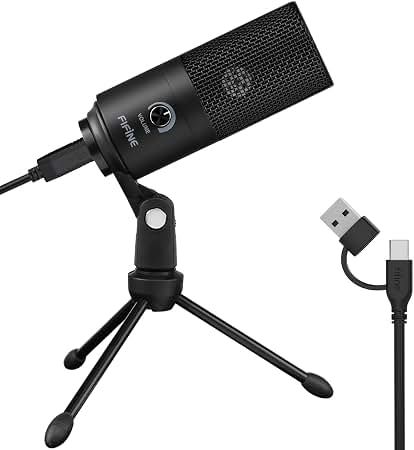
Start with a reliable USB setup like the Samson Q2U or Fifine K669B to test your consistency. If you're recording weekly and noticing background noise or limited control, move to an XLR interface setup. This transition usually costs $200-$300 more upfront but offers significantly better sound quality and durability for long-term creators. Don't buy an interface until you've committed to the workflow.
Podcast equipment: what to check next
Choosing the right gear can feel overwhelming when you are just starting out. You do not need a professional studio to begin, but you do need equipment that captures clear audio without unnecessary complexity.
What equipment do most podcasters use?
The standard beginner setup centers on a dynamic microphone, which rejects background noise better than condenser mics. Most hosts pair a Samson Q2U or a Rode PodMic with wired headphones like Apple EarPods for monitoring. This combination balances cost and performance for home recording.
What is the best equipment for podcasting?
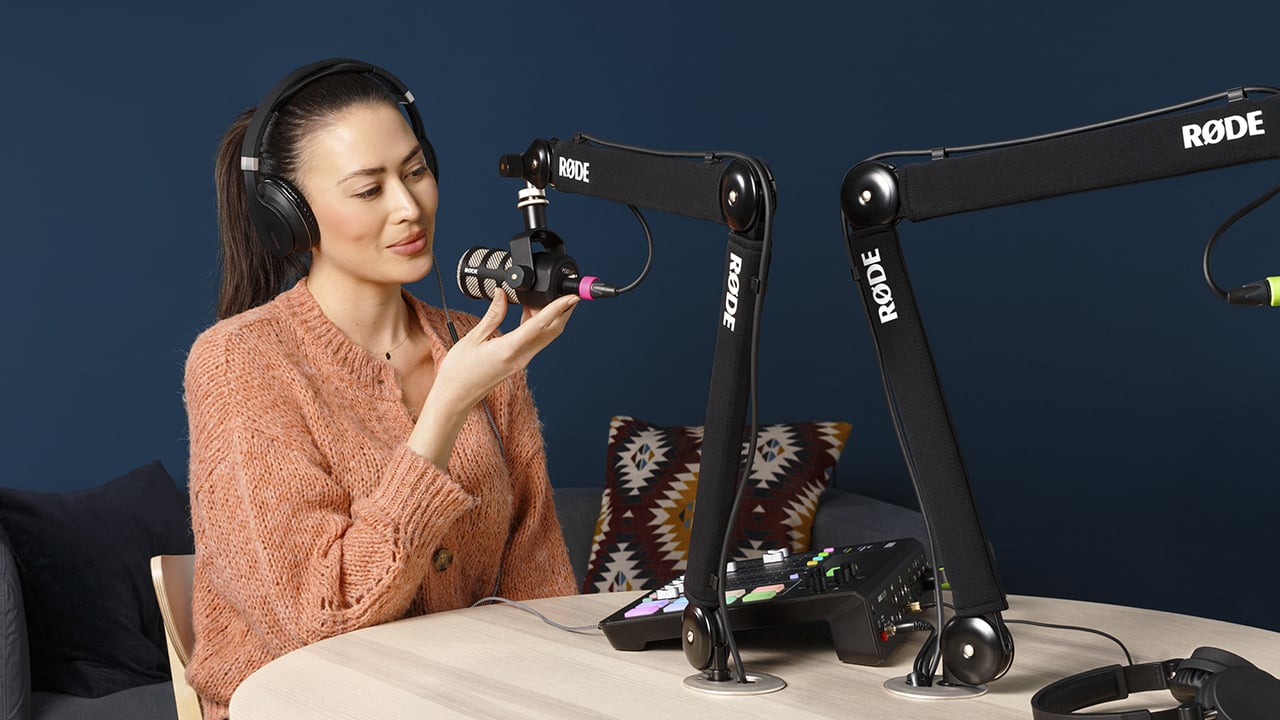
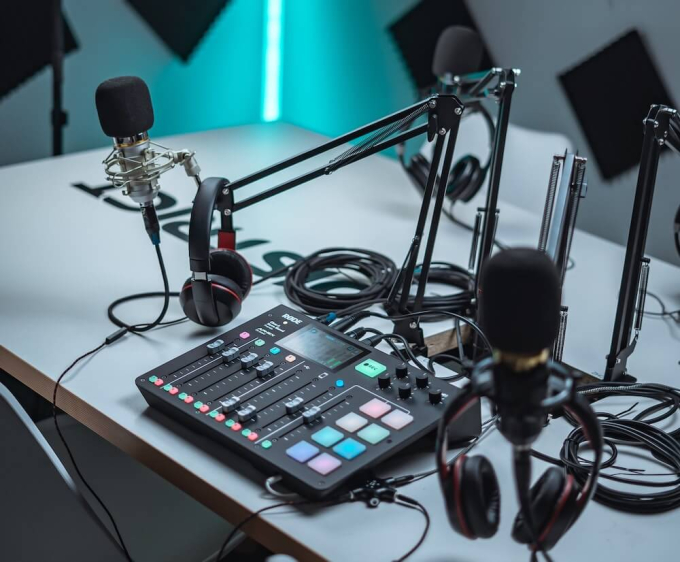
"Best" depends on your budget and recording environment. For solo creators, the Shure MV7 offers excellent built-in software features. For multi-host shows, the Rodecaster Duo or Zoom Podtrak P4 provides dedicated channels and sound pads, streamlining the live recording process.
How much does a podcast with 50,000 listeners make?
Revenue varies wildly based on your niche and audience engagement. A podcast with 50,000 monthly listeners might earn between $500 and $2,000 per month through sponsorships. However, many podcasts earn nothing initially. Income depends on your ability to attract advertisers willing to pay for your specific demographic.
What does Joe Rogan use for his podcast?
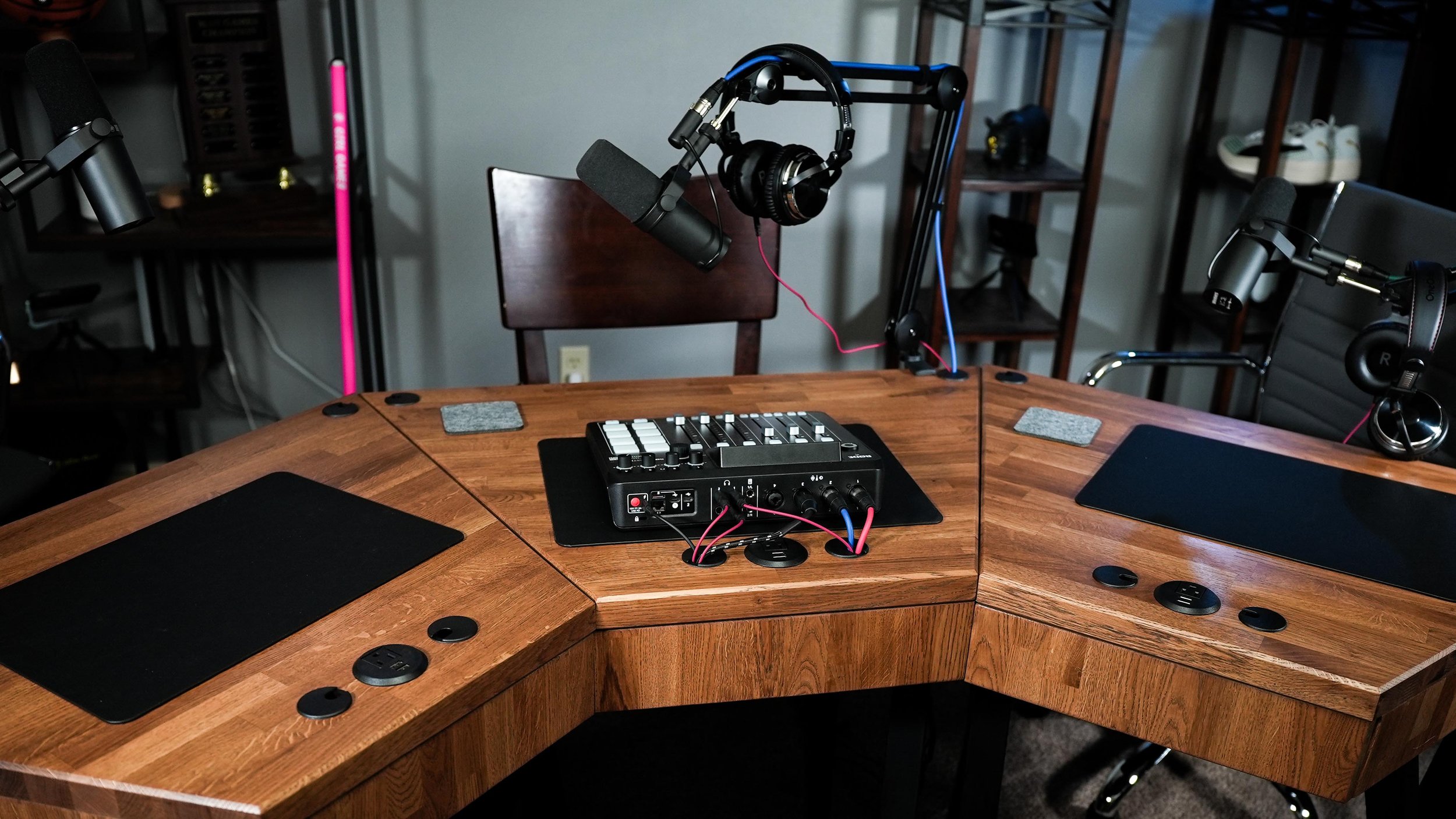
The Joe Rogan Experience is famous for its high-fidelity audio, achieved through extensive studio infrastructure. Rogan typically uses Shure SM7B microphones connected to high-end analog mixers and preamps. While you cannot replicate his entire studio, mimicking the SM7B choice is a solid starting point for serious audio quality.
No comments yet. Be the first to share your thoughts!