

Setting Up Your Home Recording Studio for Podcasting
Hey there, it's Sophie Soundwave! Let's dive into the exciting world of podcasting by setting up your very own home recording studio. This is where the magic happens, so it's crucial to get it right.
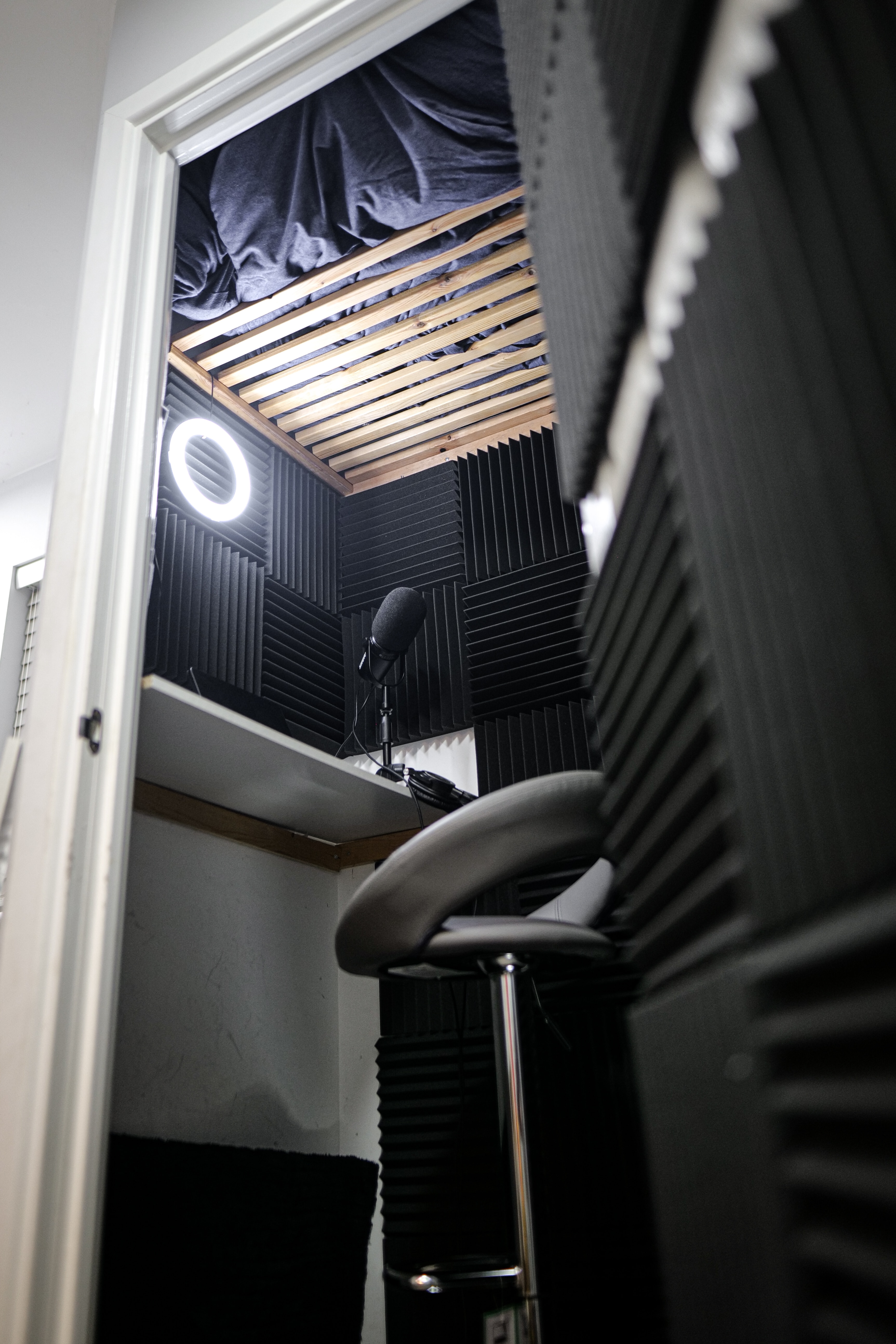
First things first, you need a quiet, comfortable space. This could be a spare room, a corner of your bedroom, or even a closet. The key is to minimize background noise and echo. You can achieve this by adding some soundproofing materials to your walls, like foam panels. 
Next, let's talk about equipment. A quality microphone is a must-have for any podcaster. USB microphones are a great choice for beginners due to their simplicity and affordability. As you progress, you might want to invest in an XLR microphone for superior sound quality. 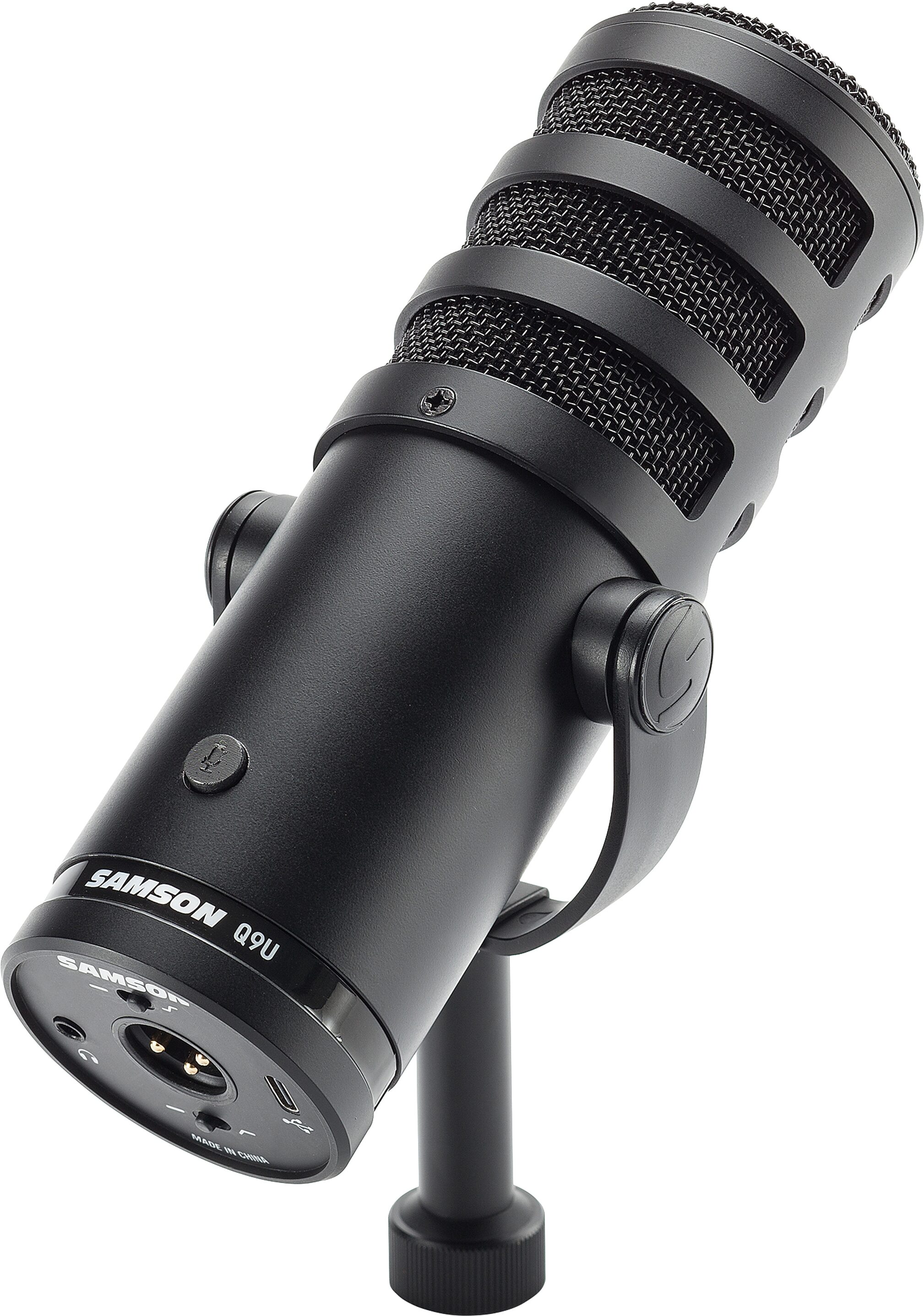
Don't forget about headphones. A pair of closed-back headphones will allow you to monitor your audio without any sound leakage. 
Lastly, you'll need a computer with podcasting software. There are many options out there, but some of the most popular ones include Audacity (free) and Adobe Audition (paid). These programs will allow you to record, edit, and mix your podcast episodes. 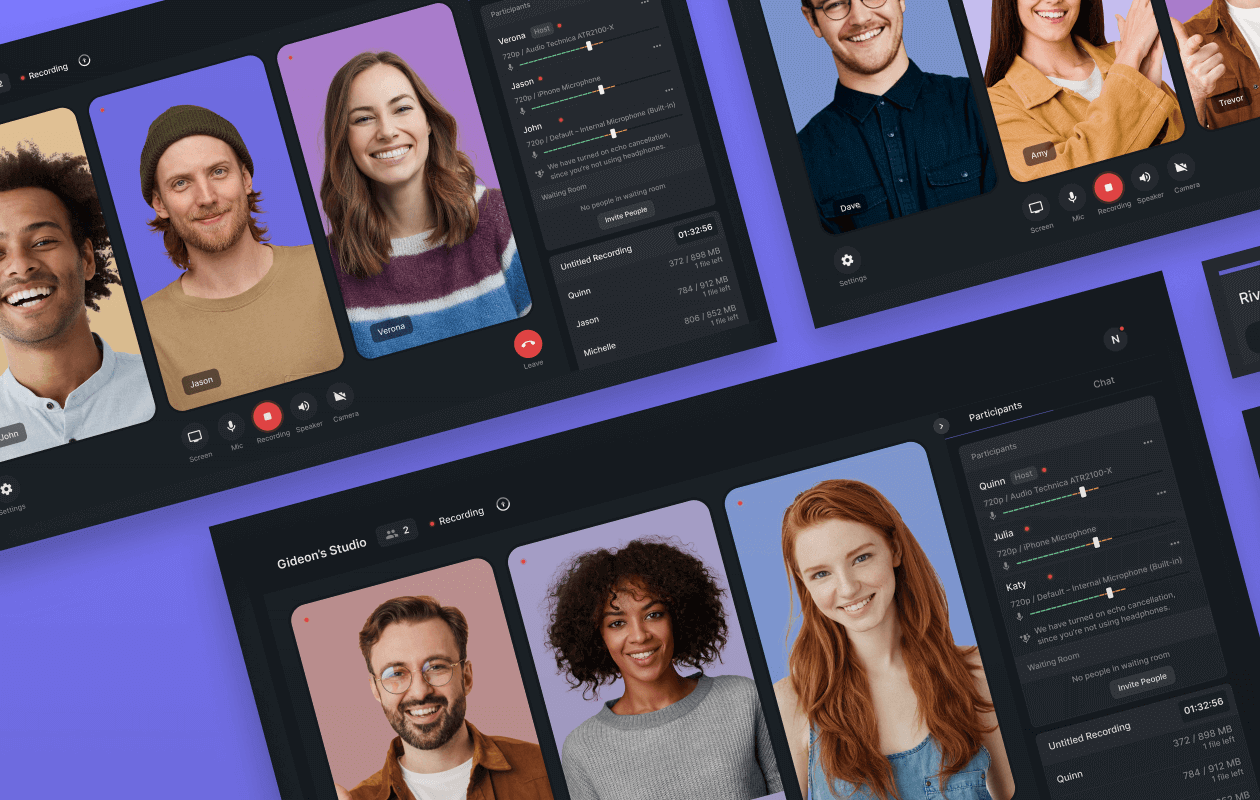
Setting up your home recording studio might seem daunting at first, but with the right equipment and a little bit of patience, you'll be on your way to podcasting success in no time. Remember, the most important thing is to create content that you're passionate about. The rest will follow.
Stay tuned for more tips on how to distribute a podcast, starting a successful podcast, and more. Happy podcasting!
Submitting Your Podcast to Distribution Platforms
Hey there, it's Sophie Soundwave again! Now that you've got your home recording studio set up and your first podcast episode recorded, it's time to share your voice with the world. But how do you do that? By submitting your podcast to distribution platforms, of course! Let's dive into it.
Firstly, you need to understand that podcast distribution platforms are the channels through which your podcast will reach your listeners. Some of the best podcast hosting platforms include Apple Podcasts, Spotify, Google Podcasts, and Stitcher. Each platform has its own submission process, but generally, you'll need to provide your podcast's RSS feed, which is generated by your podcast hosting platform.

Let's break it down. To submit your podcast to Apple Podcasts, you'll need an Apple ID. Then, head over to Podcasts Connect, log in, and click on the '+' button to add a new podcast. Paste your RSS feed, review your podcast details, and hit 'Submit'. It might take a few days for your podcast to be approved, so be patient.
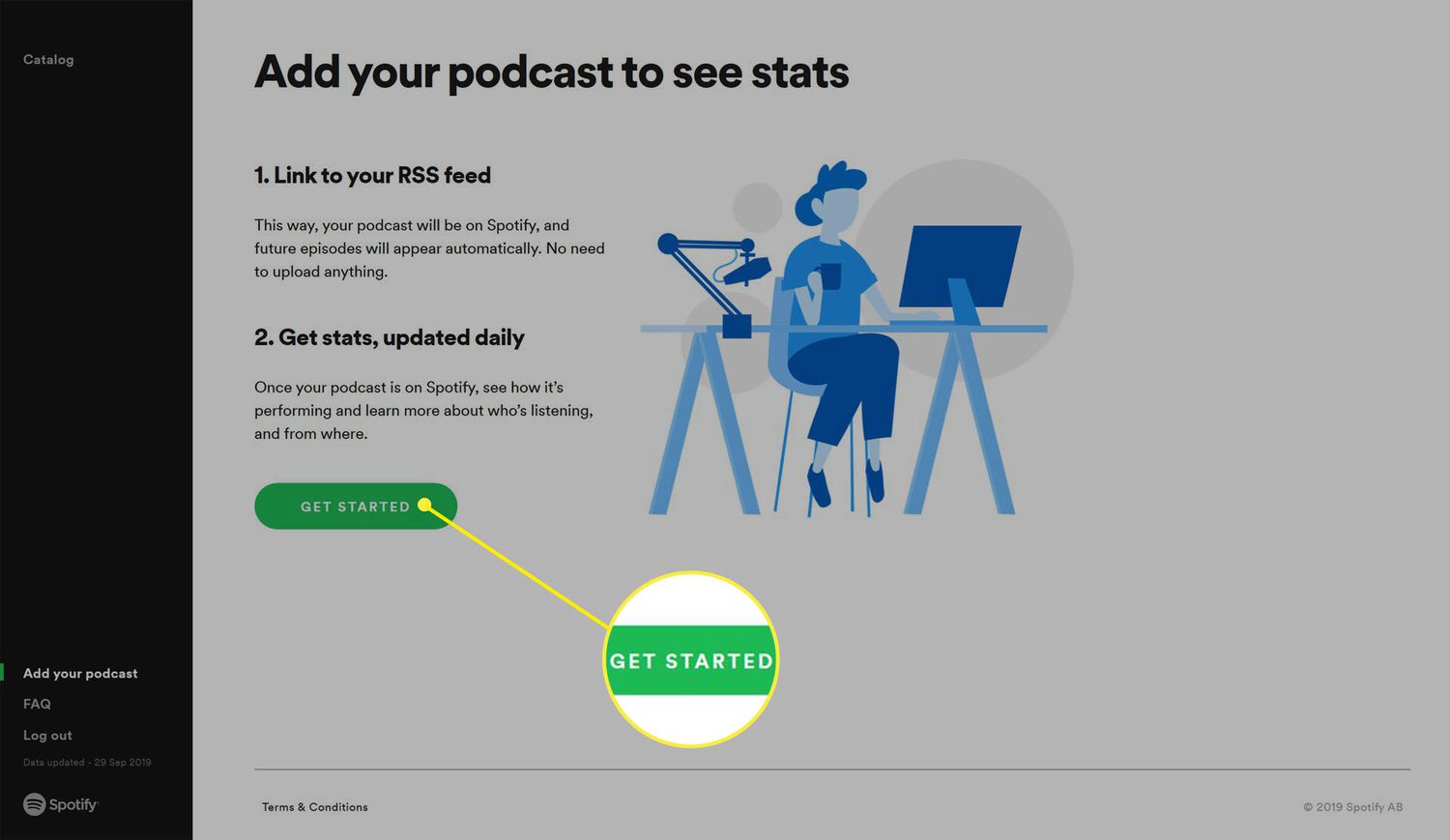
Submitting your podcast to Spotify is even easier. Just go to the Spotify for Podcasters page, log in, click on 'Get Started', and paste your RSS feed. Review your podcast details, agree to the terms, and click on 'Submit'. Your podcast should be live on Spotify within a few hours.
Remember, the more platforms you submit your podcast to, the wider your potential audience will be. So don't limit yourself to just one or two platforms. Also, make sure to optimize your podcast title, description, and tags for SEO to increase your podcast's discoverability. Stay tuned for more tips on promoting your podcast on social media, collaborating with other podcasters, and more. Happy podcasting!
Promoting Your Podcast on Social Media
Hey there, it's Sophie Soundwave back with more podcasting wisdom! Now that we've covered podcast distribution platforms, let's move on to the next crucial step: promoting your podcast on social media.
Think of social media as your personal megaphone. It's a powerful tool that can help you reach a larger audience, engage with your listeners, and build a community around your podcast. But remember, each social media platform has its own unique vibe and audience, so you'll need to tailor your approach accordingly.
Let's start with Facebook. Creating a Facebook page for your podcast is a great way to share updates, engage with your audience, and even host live Q&A sessions. You can also join podcasting groups to connect with other podcasters and share your episodes. 
Next up, Twitter. It's perfect for sharing bite-sized snippets from your podcast, engaging in conversations, and connecting with influencers in your niche. Don't forget to use relevant hashtags to increase your visibility. 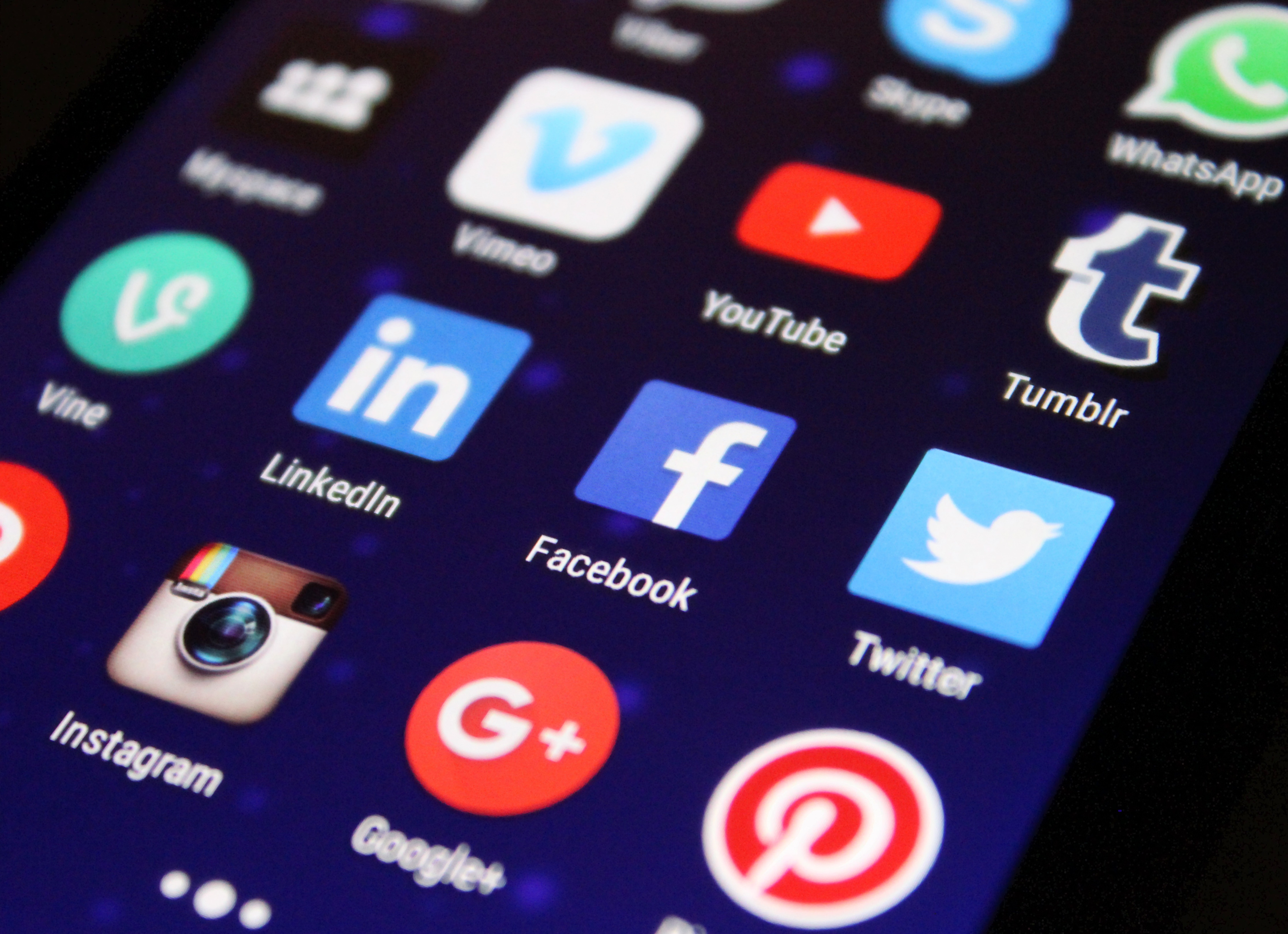
Then there's Instagram. It's all about visuals, so think about how you can turn your audio content into engaging images, short videos, or even Instagram Stories. You can also use Instagram to give your listeners a behind-the-scenes look at your home recording studio. 
Lastly, consider LinkedIn if your podcast is business or industry-related. Share your episodes, write articles about your podcast topics, and engage with your professional network. 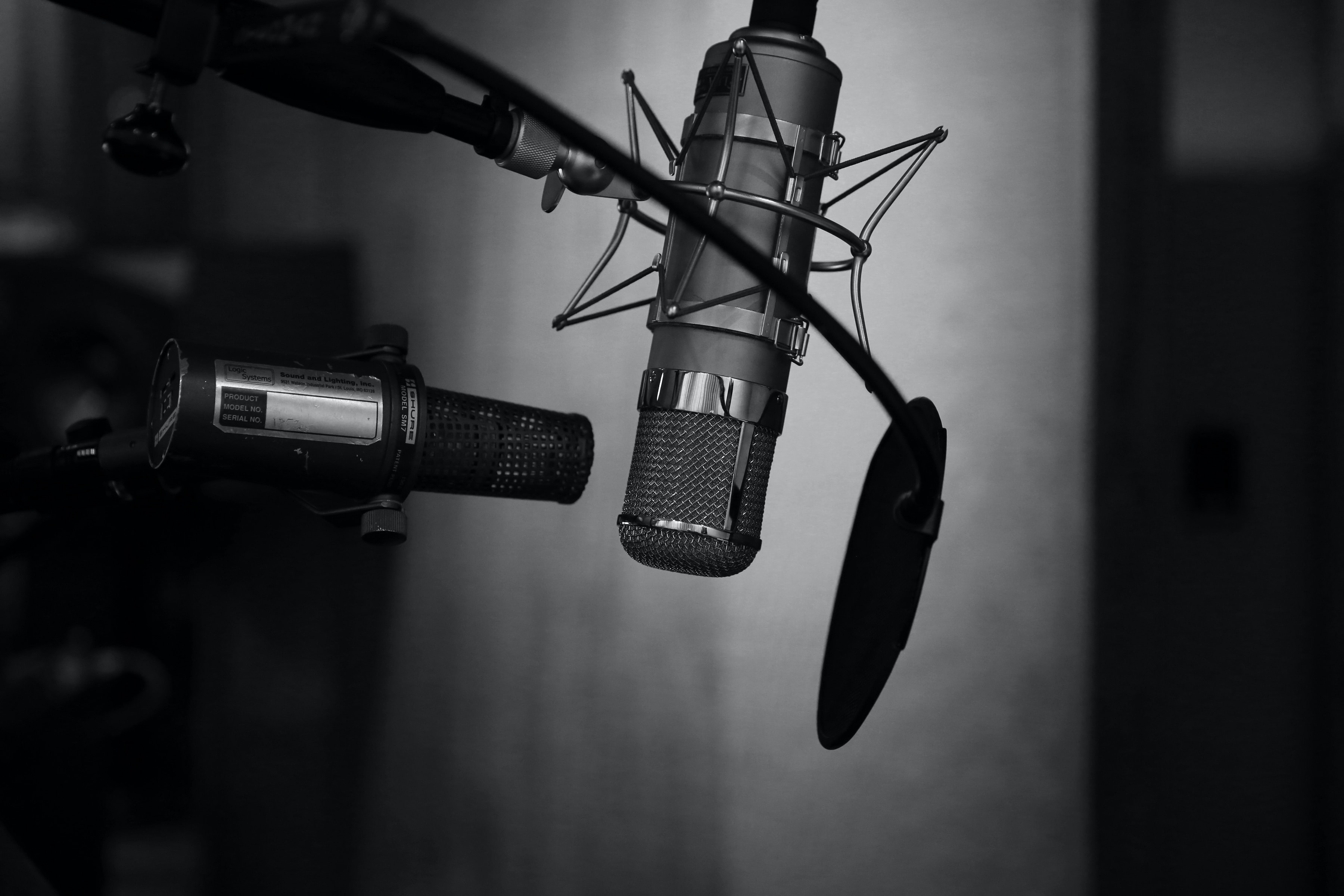
Remember, promoting your podcast on social media isn't just about broadcasting your content. It's about engaging with your audience, building relationships, and creating a community around your podcast. So don't be afraid to get personal and show your listeners the person behind the voice. Happy podcasting!
Collaborating with Other Podcasters
Hey there, podcast enthusiasts! Sophie Soundwave here, ready to dive into another essential aspect of podcasting: collaborating with other podcasters. This strategy can be a game-changer for your podcast's growth and visibility, so let's get started!
Collaboration is a beautiful thing. It allows you to tap into new audiences, share fresh perspectives, and create engaging content that your listeners will love. But how do you go about it? Here are some tips:
Firstly, reach out to podcasters in your niche. You can find them on podcast directories, social media groups, or even at podcasting events. When you approach them, be genuine and express your admiration for their work. Then, propose a collaboration idea that would benefit both parties. This could be anything from guest appearances to co-hosting a special episode or series.
Secondly, consider cross-promotion. This is when you and another podcaster promote each other's shows on your respective platforms. It's a win-win situation: you get exposure to their audience, and they get exposure to yours. Plus, it's a great way to support the podcasting community!
Lastly, don't forget about the power of networking. Attend podcasting conferences, join online communities, and engage with other podcasters on social media. Not only will this help you build valuable connections, but it will also keep you up-to-date with the latest trends and insights in the podcasting world.
Remember, collaboration is not about competition; it's about community. So, don't be afraid to reach out, share ideas, and work together. After all, the podcasting world is a big, friendly place, and there's room for everyone to shine. So, grab your mic, put on your headphones, and let's make some podcast magic together!
Stay tuned for our next section where we'll be diving into SEO strategies for podcast discoverability. Until then, happy podcasting!
Utilizing SEO Strategies for Podcast Discoverability
Hello, fellow podcasters! It's Sophie Soundwave once again, and this time, we're going to delve into the world of SEO, or Search Engine Optimization. SEO is a crucial tool for making your podcast more discoverable, and I'm here to guide you through it. So, let's get started!
First off, let's talk about keywords. Keywords are the terms that people type into search engines when they're looking for something. To make your podcast more discoverable, you need to identify the keywords that are relevant to your podcast and incorporate them into your podcast's title, description, and episode titles. For instance, if your podcast is about home recording studio tips, then "home recording studio," "podcast equipment recommendations," and "how to start a successful podcast" could be your keywords. 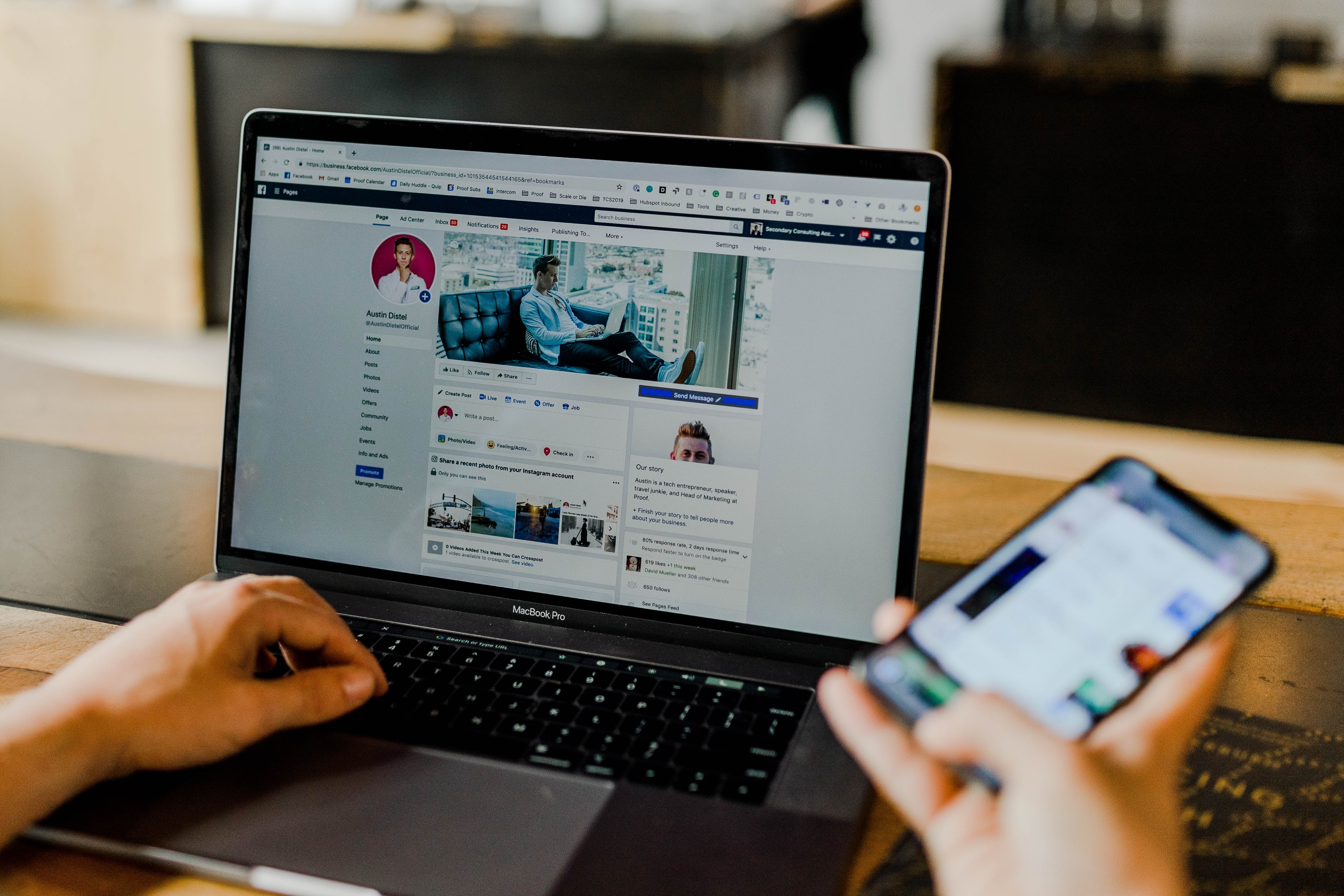
Next, let's discuss podcast show notes. Show notes are a written summary of your podcast episode, and they're a great place to include your keywords. Not only do they provide additional information for your listeners, but they also help search engines understand what your episode is about. So, make sure to write detailed show notes for each episode and sprinkle your keywords throughout. 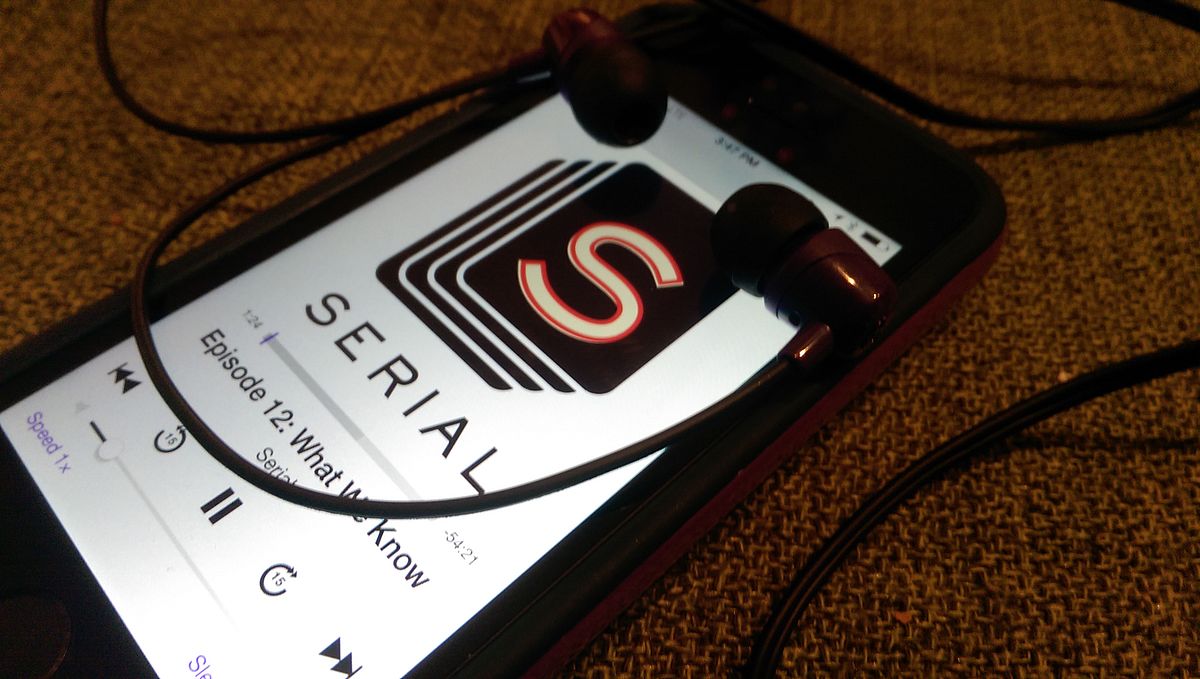
Lastly, don't forget about backlinks. Backlinks are links from other websites to your podcast's website. They're important because search engines see them as a vote of confidence, which can boost your podcast's visibility. You can earn backlinks by guesting on other podcasts, writing guest blog posts, or collaborating with other podcasters. 
Remember, SEO is a long-term strategy, and it takes time to see results. But with patience and consistency, you can increase your podcast's discoverability and reach a wider audience. So, keep those keywords coming, write those show notes, and start building those backlinks. Until next time, happy podcasting!
Engaging with Your Podcast Audience
Hey there, podcasting pals! Sophie Soundwave here again, and now we're shifting gears to one of the most vital aspects of podcasting—engaging with your audience. Building a strong connection with your listeners is key to the longevity and success of your podcast. So, let's dive in!
First off, know your audience. Understanding who your listeners are, their interests, and what they want from your podcast is crucial. This knowledge will guide you in creating content that resonates with them. You can gather this information through social media interactions, surveys, or simply by asking for feedback during your podcast episodes.
Next, be responsive. When a listener leaves a comment or sends a message, make sure to respond. This simple act shows your audience that you value their input and are eager to engage with them. It's also a great opportunity to get valuable feedback and ideas for future episodes.
Another effective way to engage is by involving your audience in your podcast. This could be through Q&A sessions, featuring listener stories, or even inviting a listener as a guest. This not only makes your audience feel valued but also adds a fresh perspective to your podcast.
Lastly, show appreciation. A simple shout-out to your listeners during your episodes can go a long way in building a loyal audience. You could also consider running contests or giveaways as a fun way to thank your listeners for their support.
Remember, podcasting is not a one-way street. It's a vibrant, interactive platform where you can build a community around your content. So, keep those lines of communication open and make your listeners feel like they're part of your podcasting journey. Until next time, keep those mics hot and those conversations flowing!

Monetizing Your Podcast
Hey there, podcasting pals! It's Sophie Soundwave again, ready to dive into the exciting world of podcast monetization. Once you've built a loyal audience and established a strong online presence, it's time to turn your passion into profit. Let's explore some effective strategies to monetize your podcast.
Sponsorships and Advertisements: This is one of the most common ways to monetize a podcast. You can partner with brands that align with your podcast's theme and audience. Remember, authenticity is key here. Promote products or services you genuinely believe in and think would benefit your listeners. 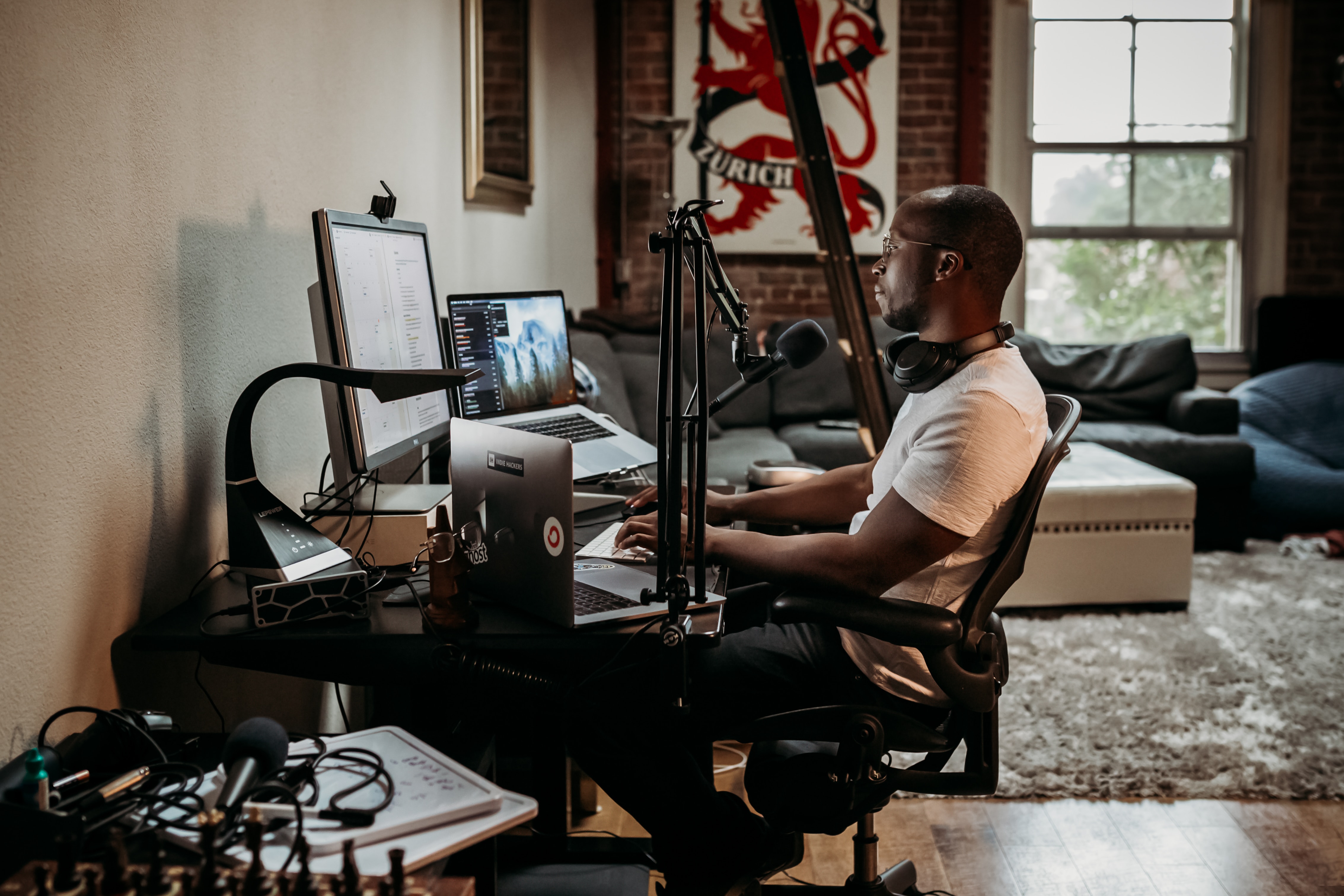
Listener Donations: If your listeners love what you do, they might be willing to support you financially. Platforms like Patreon allow your fans to contribute a monthly amount in exchange for exclusive content or perks. 
Merchandise: Selling branded merchandise is another great way to generate income. This could be anything from t-shirts and mugs to stickers and posters. It's a fun way for your listeners to show their support and get something tangible in return. 
Premium Content: Consider offering premium content for a fee. This could be ad-free episodes, early access to episodes, bonus content, or exclusive interviews. 
Remember, monetizing your podcast should never compromise the quality of your content or the trust of your audience. Always be transparent about your monetization strategies and ensure they add value to your listeners' experience. Until next time, keep those mics hot and those profits rolling!
Understanding Podcast Distribution: The Basics
Embarking on the podcasting journey can be an exhilarating experience, but it's not without its challenges. One of the most crucial steps in this journey is understanding how to distribute a podcast. But what does podcast distribution entail, and why is it so important?
Podcast distribution is the process of sharing your podcast episodes across various platforms, ensuring your voice reaches the ears of as many listeners as possible. It's the digital equivalent of a radio broadcast, but instead of being limited to one geographical area, your podcast can reach a global audience.
Imagine spending hours, days, or even weeks perfecting your podcast setup at home, crafting compelling content, and then realizing that no one knows your podcast exists. That's where the magic of podcast distribution comes in. It's the bridge that connects your voice to the world, and understanding its basics is the first step towards starting a successful podcast.
Throughout this article, we'll delve into the best podcast distribution platforms, provide a comprehensive podcast setup guide, and share tips on how to start a successful podcast. We'll also guide you through setting up a podcast website and getting your podcast on Spotify. So, are you ready to amplify your voice and let the world tune in? Let's dive in.
Choosing the Right Podcast Distribution Platforms
Choosing the right podcast distribution platforms can be a game-changer in your podcasting journey. It's like selecting the perfect stage to perform on, a stage that guarantees an attentive, engaged, and vast audience. But how do you choose the right platform for distributing your podcast?
Firstly, consider the platform's reach. A platform with a global audience can help your podcast echo in every corner of the world. Platforms like Spotify, Apple Podcasts, and Google Podcasts are renowned for their extensive reach and diverse user base. They can be the perfect launchpad for your podcast, especially if you're just starting.
Next, consider the platform's usability. A user-friendly platform can make the process of uploading and managing your podcast episodes a breeze. It can also provide your listeners with a seamless listening experience, increasing the chances of them returning for more.
Finally, consider the platform's features and analytics. Platforms that offer detailed analytics can provide invaluable insights into your podcast's performance. They can help you understand what's working, what's not, and how you can improve.
Remember, choosing the right podcast distribution platform is not about finding the most popular or the most expensive one. It's about finding the one that aligns with your podcast's goals, audience, and content. So, take your time, do your research, and choose wisely.
Now that you know how to distribute a podcast and choose the right platform, are you ready to take the next step? Are you ready to learn the secrets of starting a successful podcast, setting up a podcast studio at home, and creating a podcast website? If yes, then let's keep going.

Starting a Successful Podcast: Essential Tips and Strategies
Embarking on your podcasting journey is an exciting endeavor. But how do you ensure that your podcast doesn't just become another voice in the crowd? How do you start a successful podcast that resonates with your audience and stands out from the rest? Here are some essential tips and strategies to guide you.
Firstly, know your audience. Understanding who your listeners are, what they want, and how they consume content is crucial. This knowledge will guide your content creation process and help you tailor your podcast to meet your audience's needs.
Secondly, content is king. Make sure your podcast offers valuable, engaging, and unique content. Whether it's insightful interviews, thought-provoking discussions, or entertaining stories, your content should be something your audience looks forward to.
Next, consistency is key. Regularly releasing episodes helps build a loyal audience. Decide on a schedule that works for you and stick to it. Remember, it's better to have fewer, high-quality episodes than many poorly produced ones.
Finally, promote your podcast. Utilize social media, your website, and other promotional tools to reach a wider audience. Encourage your listeners to share your podcast, leave reviews, and engage with your content. This not only helps increase your reach but also builds a community around your podcast.
Starting a podcast also involves setting up a podcast studio at home. This might seem daunting, but with the right guide, it's easier than you think. 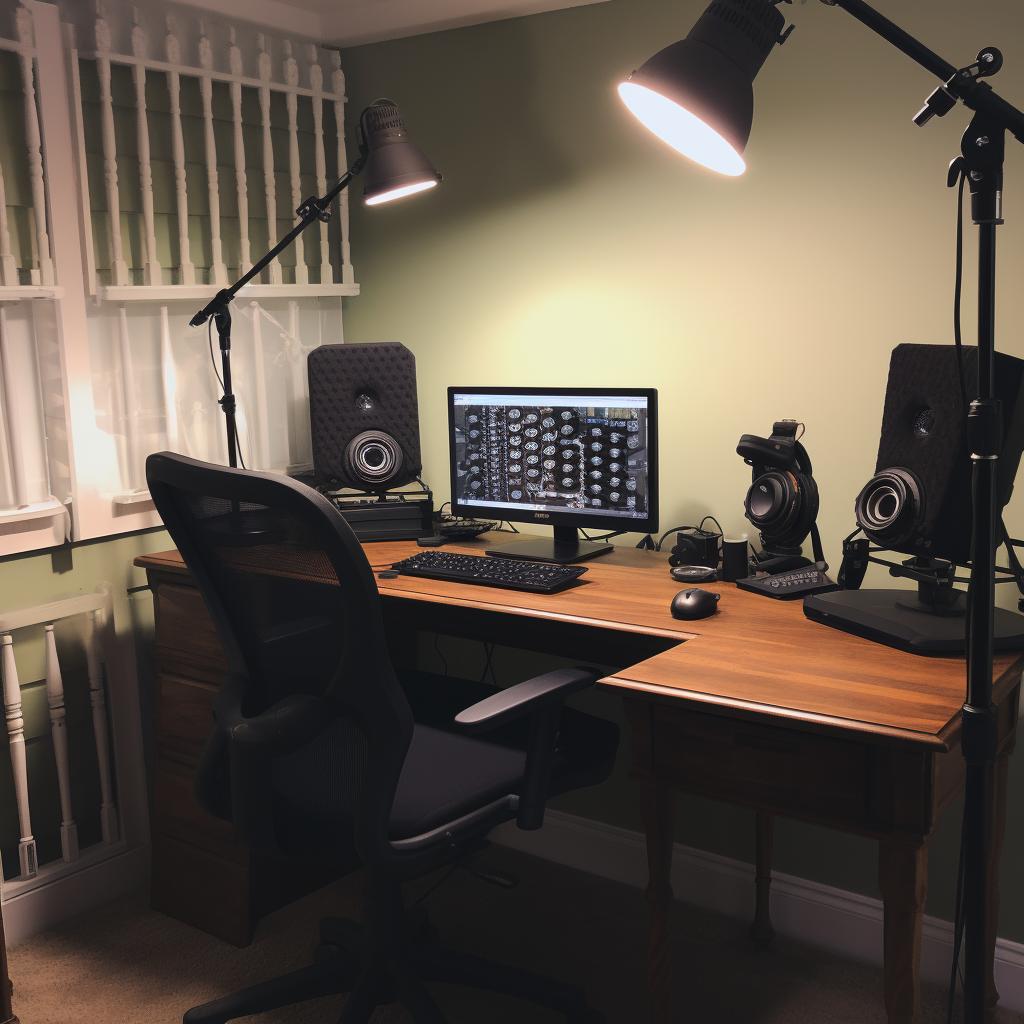 From choosing the right equipment to optimizing your recording space, our comprehensive podcast setup guide has got you covered.
Moreover, having a dedicated podcast website can significantly enhance your podcast's online presence. It serves as a digital hub where your audience can access all your episodes, learn more about you, and engage with your content. So, how do you setup a podcast website that's both attractive and functional? Stay tuned to find out.
Lastly, getting your podcast on popular platforms like Spotify can boost your visibility and reach. But how do you setup podcast on Spotify? Our step-by-step guide will walk you through the process, making it as easy as pie.
So, are you ready to start your podcasting journey? Remember, success doesn't come overnight. It requires patience, persistence, and passion. But with these tips and strategies, you're well on your way to starting a successful podcast.
Setting Up Your Home Podcast Studio: A Comprehensive Guide
Setting up a home podcast studio is a pivotal step in your podcasting journey. It's not just about having a quiet room and a microphone; it's about creating a space that enables you to produce high-quality audio content consistently. So, how do you setup a podcast studio at home? Let's dive in.
Firstly, consider the acoustics of your chosen room. Hard surfaces can cause echoes, while soft materials can help absorb sound. Consider investing in some affordable soundproofing materials, such as foam panels, to improve your audio quality. 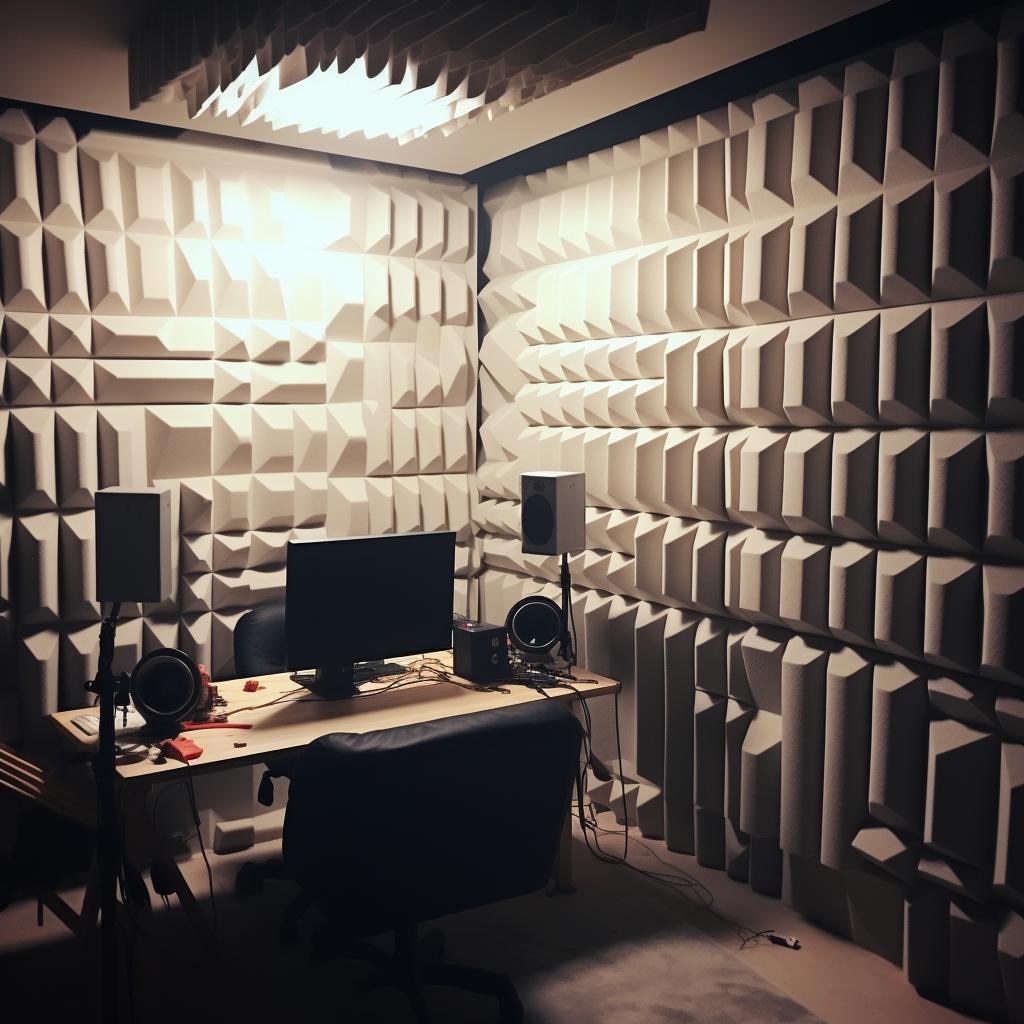
Next, let's talk about equipment. A good quality microphone is a must-have. USB microphones are a popular choice for beginners due to their ease of use and affordability. However, if you're serious about starting a podcast, consider investing in an XLR microphone for superior sound quality. Don't forget about a pop filter to reduce unwanted noise, and a reliable pair of headphones for editing.
Now, onto the recording software. There are numerous options available, from free software like Audacity, to professional-grade options like Adobe Audition. Choose one that suits your budget and skill level.
Lastly, think about your comfort. Podcasting often involves long hours of recording and editing. A comfortable chair, a sturdy desk, and good lighting can make a world of difference.
Remember, your home podcast studio is a reflection of your commitment to podcasting. It's an investment that can significantly impact the quality of your podcast and, ultimately, your success in the podcasting world. So, are you ready to take the leap and setup your home podcast studio?
Creating a Podcast Website: Your Digital Hub
Now that you've got your home podcast studio set up, it's time to think about the next big step: creating your podcast website. Think of your website as the digital hub of your podcasting journey. It's where your audience can discover your content, learn more about you, and engage with your brand. But, how do you setup a podcast website that stands out?
Firstly, your website should be visually appealing and easy to navigate. It should reflect your podcast's brand and personality. Consider hiring a professional web designer or using a website builder like WordPress or Squarespace. These platforms offer a variety of customizable templates that can help you create a professional-looking website without any coding knowledge.
Next, make sure your website is SEO-friendly. This means using keywords related to your podcast's topic in your website content, meta descriptions, and image tags. For example, could be an effective way to incorporate keywords and improve your website's visibility on search engines.
Don't forget to include essential pages on your website. This includes an 'About' page, where you can share your podcast's story and mission, a 'Contact' page for potential collaborations or listener feedback, and a 'Podcast' page where your audience can easily access all your episodes. You might also consider adding a blog section where you can share behind-the-scenes content, episode transcripts, or related articles.
Lastly, make sure your website is integrated with podcast distribution platforms. This allows your audience to listen to your podcast directly from your website or be redirected to their preferred listening platform. Whether you're figuring out how to setup podcast on Spotify or any other platform, having a central hub for your content is crucial.
Creating a podcast website might seem daunting, but it's an essential step in learning how to distribute a podcast effectively. Remember, your website is more than just a digital presence; it's a representation of your podcast's brand and a tool for connecting with your audience. So, are you ready to create a podcast website that truly stands out?
Getting Your Podcast on Spotify: A Step-by-Step Guide
With your podcast website ready to captivate audiences, it's time to dive into the world of podcast distribution platforms. One of the most popular platforms today is Spotify, and getting your podcast on this platform can significantly boost your reach. So, how do you setup a podcast on Spotify? Let's explore this step-by-step.
Firstly, you'll need to create an account on Spotify for Podcasters. This is a separate portal designed specifically for podcast creators. Once you've signed up, click on 'Get Started' and then 'Add or Claim Your Podcast'. Here, you'll need to paste your podcast's RSS feed. This feed is usually provided by your podcast hosting service. Make sure your RSS feed includes all the necessary details like your podcast's title, description, artwork, and at least one episode.
Next, review all the information and confirm that you're the owner of the podcast. Spotify will then send a verification code to the email address associated with your podcast's RSS feed. Enter this code, agree to the terms and conditions, and click on 'Submit'. Voila! Your podcast is now on its way to Spotify.
Remember, it might take a few hours or even a few days for your podcast to appear on Spotify. So, don't worry if it's not visible immediately. Once your podcast is live, you can use Spotify for Podcasters to track your performance, understand your audience, and gain valuable insights.
Getting your podcast on Spotify is a significant step in learning how to distribute a podcast effectively. It opens up your content to millions of potential listeners and provides you with powerful analytics tools. So, are you ready to take your podcast to the next level with Spotify?
As you continue your podcasting journey, remember that starting a successful podcast involves more than just creating great content. It's about understanding your audience, choosing the right podcast distribution platforms, and continuously refining your strategy. So, keep learning, keep experimenting, and keep pushing the boundaries of what's possible with your podcast.
Final Thoughts: Maintaining Success in Podcast Distribution
As we draw the curtain on this comprehensive guide on how to distribute a podcast, it's essential to remember that the journey to podcasting success is a marathon, not a sprint. The world of podcasting is ever-evolving, with new platforms, technologies, and strategies emerging regularly. Staying ahead of the curve requires a commitment to continuous learning and adaptation.
From setting up your home recording studio, creating a captivating podcast website, to getting your podcast on Spotify, each step is a piece of the puzzle that contributes to the overall success of your podcast. But remember, these are just the building blocks. The real magic lies in your content, your voice, and the unique perspective you bring to your audience.
Think of your podcast as a living entity. It needs to grow, evolve, and adapt to the changing tastes and preferences of your audience. Use the analytics tools provided by podcast distribution platforms like Spotify to understand your audience better. What are they responding to? What topics do they find most engaging? Use these insights to refine your content strategy and keep your audience coming back for more.
And finally, don't forget to celebrate your wins, no matter how small. Every new listener, every positive review, every milestone reached is a testament to your hard work and dedication. So, keep pushing, keep innovating, and keep sharing your voice with the world.
Are you ready to embark on this exciting journey? Remember, the world needs to hear what you have to say. So, dive in, start your podcast, and let your voice echo across the globe. The world of podcasting awaits you!

No comments yet. Be the first to share your thoughts!