

What is spatial audio?
For years, we’ve been listening to sound in stereo – a left and right channel that creates a sense of width. Spatial audio, though, aims for something much more ambitious. It’s about recreating a three-dimensional soundscape, placing sounds around the listener rather than just to the sides. This isn’t simply about louder or clearer audio; it’s a fundamental shift in how sound is experienced.
The core of spatial audio relies on how our brains interpret sound cues. Things like the timing and intensity differences between sounds reaching each ear give us information about direction and distance. Technologies like binaural recording and ambisonics attempt to capture and reproduce these cues. Binaural recording uses two microphones positioned inside a dummy head to mimic human ears, while ambisonics captures a full 360-degree soundfield.
A crucial element is the head-related transfer function (HRTF). This is essentially a set of filters that describe how sound changes as it interacts with your head, ears, and torso. Everyone’s HRTF is unique, which is why a spatial audio experience can feel so personal. The history of spatial audio goes back decades, but recent advancements and adoption by platforms like Apple Music with Dolby Atmos and even podcasting apps are bringing it to a wider audience.
The appeal for podcasts is pretty clear. Imagine a mystery podcast where you can clearly hear a footstep approaching from behind, or a historical drama where you're immersed in a bustling marketplace. It’s a way to add a new layer of engagement and storytelling that traditional stereo simply can’t match. It’s a tool to draw listeners into the story, not just have them listen to it.
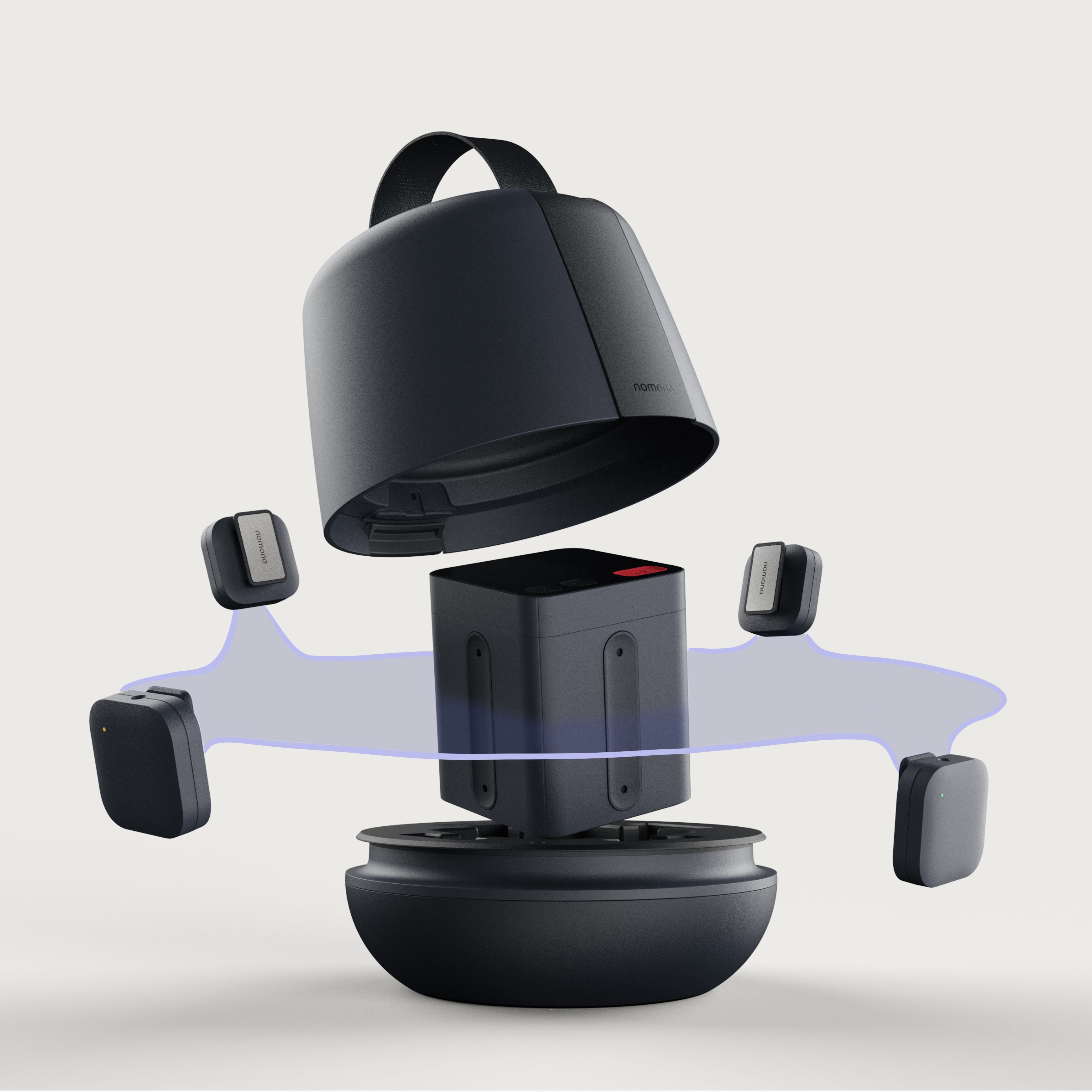
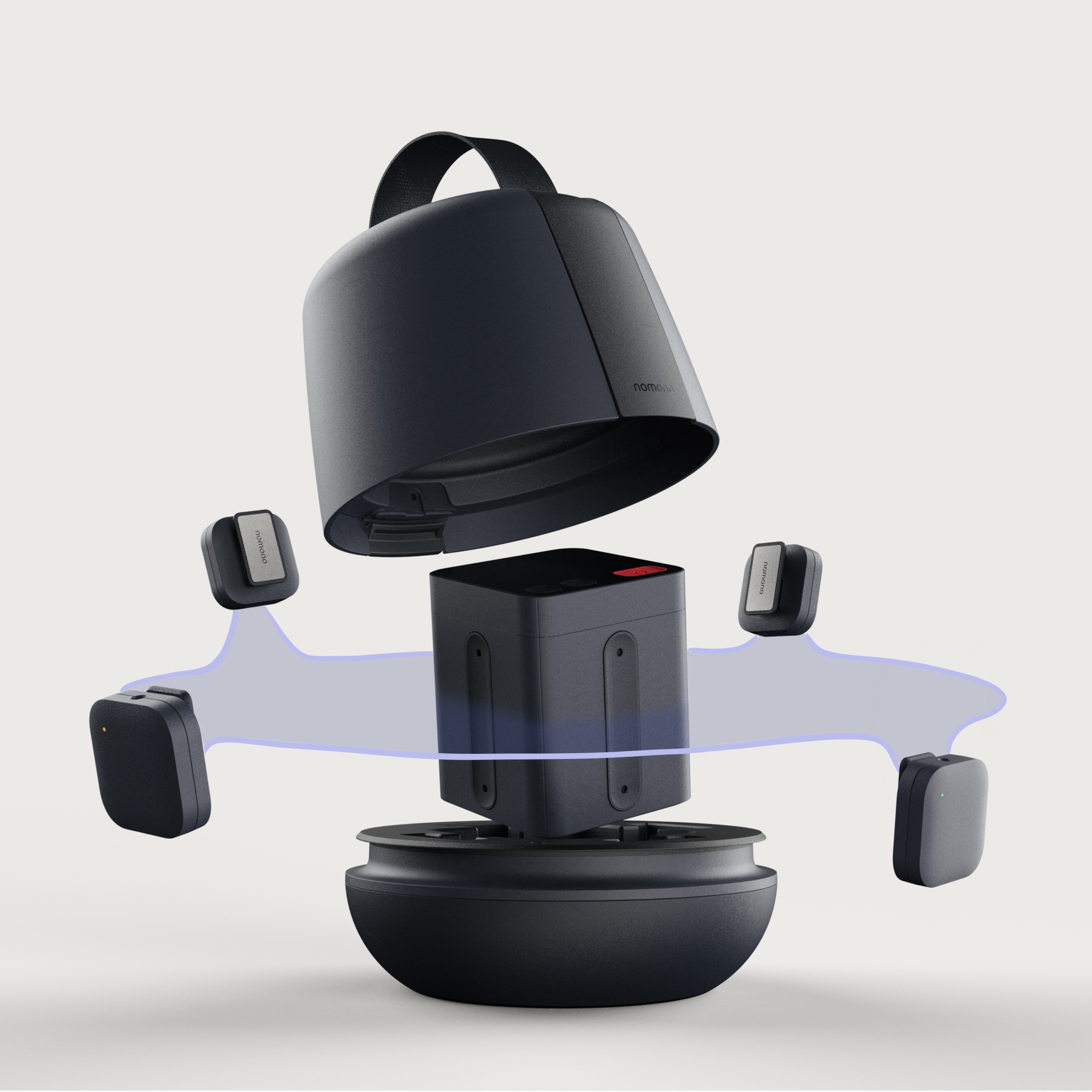
Microphones for 3D sound
Getting the right sound starts with your microphone setup. For true spatial audio, binaural recording is the gold standard. This involves using a dummy head – a mannequin with microphones embedded in its ears – to capture sound exactly as a human would hear it. However, these setups can be expensive, with professional dummy heads costing upwards of $1000, and even DIY versions requiring significant effort.
Another option is ambisonic recording, which uses an array of microphones to capture the entire soundfield. The Soundfield SP4, for example, is a popular choice, but again, these are professional-grade microphones with a price tag to match. The benefit of ambisonics is the flexibility to manipulate the soundfield in post-production, allowing you to create a wide range of spatial effects.
If you’re on a budget, you can attempt to create a spatial effect with standard stereo microphones. This involves carefully positioning the microphones to capture different sound sources at varying distances and angles. It's a technique called 'spaced pair' recording. But be realistic: this is not the same as true binaural or ambisonic capture. It's more about creating a sense of width and depth, rather than a fully immersive 3D soundscape.
Microphone polar patterns are also important. Omnidirectional microphones capture sound from all directions, which can be useful for ambisonic recording. Cardioid microphones are more directional and can be used to isolate specific sound sources. Understanding these patterns and how they interact with your recording environment is key. Trying to 'fake' spatial audio with stereo mics requires a lot of careful experimentation and attention to detail.
- Binaural: Uses a dummy head for the most natural 360-degree effect.
- Ambisonics: Captures the full soundfield, flexible in post-production, expensive.
- Spaced Pair: Stereo mics carefully positioned, budget-friendly, limited spatial effect.
Software and plugins
Your Digital Audio Workstation (DAW) is where you’ll assemble and process your spatial audio recordings. Several DAWs offer native support or plugins for working with spatial audio. Logic Pro X is a popular choice, with built-in tools for spatial mixing and Dolby Atmos support. Ableton Live can also handle spatial audio with the help of third-party plugins.
Reaper is another powerful option, and its flexibility allows for integration with a wide range of spatial audio plugins. For binaural panning, plugins like DearVR Micro and Waves NX can create a convincing 3D soundstage. HRTF convolution plugins, like those offered by IEMSP, allow you to customize the spatialization based on individual HRTFs. For ambisonic decoding, plugins like AmbiX Decoder are essential.
The good news is that there are also some affordable and even free options available. Many VST plugin hosts support spatial audio plugins, allowing you to experiment without breaking the bank. However, the learning curve can be steep, and you may need to spend time researching and experimenting to find the right tools and techniques.
Don't expect a simple plug-and-play experience. Working with spatial audio requires a deeper understanding of sound engineering principles and a willingness to experiment. Be prepared to spend time tweaking parameters and listening critically to your results. It's a different workflow than traditional stereo mixing.
Podcast Storytelling and Spatial Audio
Spatial audio isn’t just about technical wizardry; it’s about enhancing your storytelling. Think about how you can use the 3D soundscape to create a more immersive and engaging experience for your listeners. Placing voices in different locations can create a sense of space and realism. Imagine a conversation taking place in a crowded cafe – you could position each voice in a different part of the room.
Creating soundscapes is another powerful technique. Use ambient sounds to transport your listeners to a specific location. A creaking door, distant sirens, or the sound of rain can all add to the atmosphere. Movement is also key. Moving sounds around the listener can draw them into the scene and create a sense of dynamism.
Several podcasts are already experimenting with spatial audio to great effect. Within the Frame, for example, uses spatial audio to create a truly immersive storytelling experience. Similarly, The Walk places the listener directly into the narrative, using spatial audio to create a sense of presence. These podcasts demonstrate that spatial audio isn’t just a gimmick; it’s a powerful tool for storytelling.
Consider the narrative impact of each spatial choice. Is a sound coming from behind the listener to create suspense? Is a voice positioned close to the ear to create intimacy? Every placement should serve the story, not just demonstrate the technology.
Mixing and Mastering for Immersive Audio
Mixing spatial audio is different from mixing stereo. Careful panning is essential, but it’s not just about placing sounds left and right. You need to consider the height and depth of each sound source. Level balancing is also crucial. A sound that’s too loud or too quiet can break the illusion of a 3D soundscape.
EQ is important for shaping the tonal characteristics of each sound source and ensuring that they blend well together. Pay attention to how different frequencies interact with the spatial image. Monitoring is critical, and headphones are often preferred for spatial audio mixing. However, it's also important to check your mix on speakers to ensure that it translates well to different playback systems.
Mastering for spatial audio involves optimizing the mix for different spatial audio formats, such as binaural and ambisonic. This may involve adjusting the overall level, applying subtle EQ, and ensuring that the spatial image is stable and believable. The goal is to create a polished and immersive listening experience.
Ultimately, mixing and mastering spatial audio requires a critical ear and a willingness to experiment. Listen carefully to your mix on different headphones and speakers, and don’t be afraid to make adjustments until you’re satisfied with the results. It's a process of refinement and iteration.
Distribution and Platforms
Sharing your spatial audio podcast requires choosing platforms that support the format. Apple Podcasts has embraced spatial audio, offering support for Dolby Atmos and other spatial audio formats. Spotify is also beginning to experiment with spatial audio, but support is still limited. Other podcast platforms may add support in the future, but the landscape is still evolving.
File formats and encoding are important considerations. Common spatial audio formats include Dolby Atmos, MPEG-H 3D Audio, and Ambisonics. The specific format you choose will depend on the platform you’re distributing to. Encoding your audio properly is crucial for ensuring that it sounds its best on different devices and headphones.
One of the biggest challenges is ensuring a consistent experience across different devices and headphones. Not all headphones are created equal, and some may not be able to accurately reproduce the spatial image. Additionally, different playback systems may interpret spatial audio signals differently. This can lead to inconsistencies in the listening experience.
The future of spatial audio distribution is uncertain, but the trend is clear. More and more platforms are recognizing the potential of immersive audio, and we can expect to see wider support in the years to come. However, it’s important to be realistic about the current state of affairs and to be prepared for potential challenges.
No comments yet. Be the first to share your thoughts!