
The AI-Powered Studio: Why Now is the Time to Upgrade
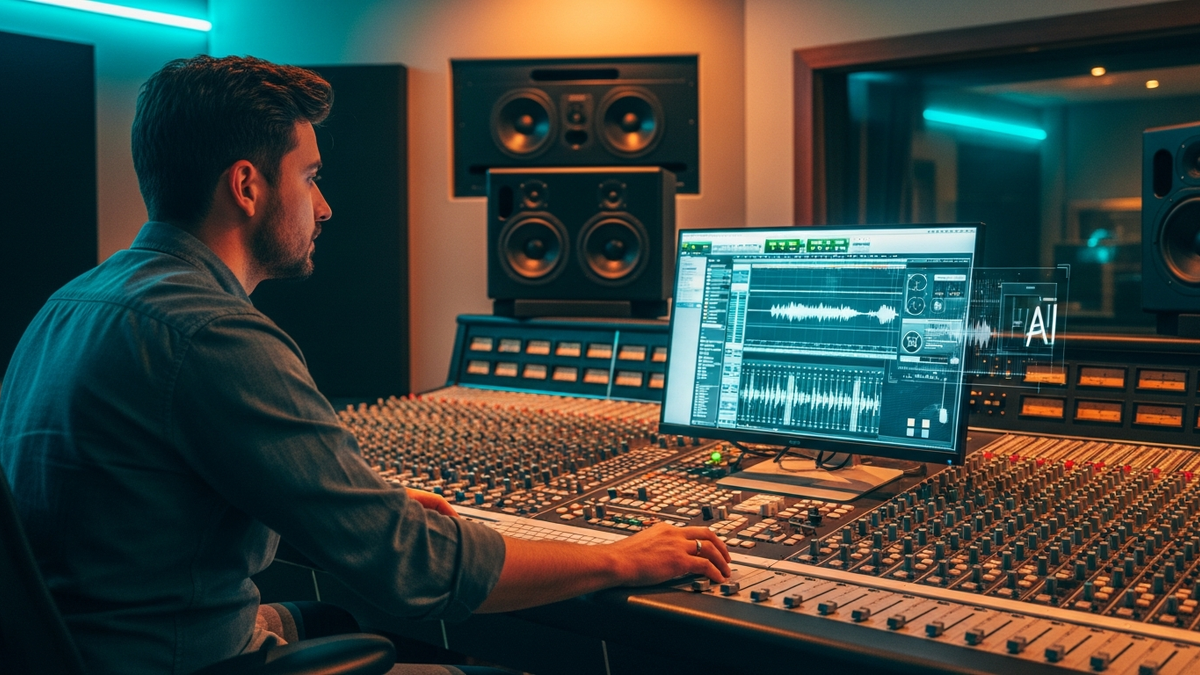
The home recording studio has undergone a dramatic transformation in recent years, and the pace of change is only accelerating. For a long time, building a decent studio meant mastering complex technical skills – microphone placement, gain staging, EQ, compression, and so on. Now, artificial intelligence is handling more and more of those tasks, making high-quality audio production accessible to anyone with a creative vision. It’s not just about software plugins anymore; we’re seeing AI integrated directly into hardware, from microphones to audio interfaces.
This shift democratizes audio production. Historically, a professional-sounding recording required significant investment in both equipment and expertise. Now, someone with a limited budget and minimal technical knowledge can achieve results that were previously unattainable. AI-powered tools level the playing field, allowing creators to focus on the art of music making rather than the science of recording. This is a compelling proposition for aspiring musicians, podcasters, and audio engineers alike.
The real change isn’t simply that AI is automating tasks. It's that it’s changing how we approach those tasks. Instead of meticulously tweaking parameters, you can now use AI to suggest starting points, identify problems, and even make creative decisions. This allows for a faster, more iterative workflow, and opens up new possibilities for experimentation. I believe this is a fundamental shift in the way audio will be produced.
However, it’s important to be realistic. AI isn’t a magic bullet. It still requires human oversight and creative input. The best results come from combining AI tools with your own musical intuition and technical understanding. But the barrier to entry is undeniably lower, and the potential for creative expression is greater than ever before.
If you've been following our tutorial series on how to build your own home recording studio with Raspberry Pi 500 we're on the home stretch!
— Raspberry Pi (@Raspberry_Pi) April 30, 2025
It’s time to install and set up the software you’ll need for high-quality audio production.https://t.co/YfsSYLtypX
Microphones Reimagined: AI Noise Reduction & Vocal Enhancement
Microphones are often the first point of contact in the recording chain, and they’re now benefiting significantly from AI integration. We’re moving beyond simple noise gates and compressors. Modern microphones are incorporating AI algorithms to actively cancel noise, adjust gain automatically, and even subtly enhance vocal characteristics. This isn’t just post-processing anymore – it’s happening at the source.
The Rode NT-USB+ is a prime example. It boasts real-time noise cancellation and vocal clarity features powered by AI, allowing for cleaner recordings in less-than-ideal acoustic environments. This is a huge advantage for home studios that may not have dedicated soundproofing. Compared to traditional methods of noise reduction – relying on plugins in your DAW – this approach can preserve more of the original signal and reduce processing load on your computer.
But it’s not all perfect. AI processing can introduce artifacts, especially if the algorithm isn't sophisticated enough or if the input signal is particularly complex. Aggressive noise cancellation can sometimes sound unnatural or “squash” the dynamics of a performance. Listen critically and adjust the settings carefully. The quality of the AI also varies significantly between different microphones.
Another area of development is automatic gain control (AGC). AI-powered AGC can dynamically adjust the microphone's sensitivity to maintain a consistent signal level, even if the source is moving or varying in volume. This can be incredibly useful for podcasting or live streaming, but it’s important to be aware of potential clipping or pumping artifacts. The long-term impact of these features is uncertain, but they offer intriguing possibilities.
- Rode NT-USB+: AI-powered noise cancellation and vocal clarity.
- Shure MV7: Hybrid USB/XLR microphone with built-in AI features.
- Blue Yeti X: Customizable microphone with AI-driven voice isolation.
Top AI-Powered Microphones for Your 2026 Home Studio
High-quality condenser capsule · Built-in headphone amplifier for zero-latency monitoring · USB-C connectivity for plug-and-play simplicity
This microphone offers exceptional audio clarity and ease of use, making it a fantastic choice for beginners and experienced users alike.
Hybrid USB/XLR connection · Voice Isolation Technology for professional sound · Intuitive touch panel for gain, headphone volume, and monitor mix
The MV7 is designed for vocal clarity, featuring intelligent auto-level mode to ensure consistent output, perfect for spoken word content.
High-resolution audio recording · Multi-pattern polar selection · Smart LED meter for visual gain feedback
With its versatile pickup patterns and clear sound reproduction, the Yeti X is a reliable all-rounder for various recording applications.
Studio-quality condenser element · High-output internal headphone amplifier · Smooth, natural frequency response
This microphone provides a detailed and articulate sound, ideal for capturing vocals and instruments with clarity.
High-end analog-to-digital conversion · Integrated headphone amplifier · Low latency monitoring with DSP effects
While an interface, the MT 48's advanced processing and pristine conversion elevate any microphone, offering professional-grade AI-enhanced audio.
As an Amazon Associate I earn from qualifying purchases. Prices may vary.
Interfaces & Audio Cards: AI-Assisted Mixing & Routing
Audio interfaces are evolving beyond simply converting analog signals to digital. Modern interfaces are now incorporating AI to simplify routing, optimize gain staging, and even suggest initial mix settings. This is particularly helpful for beginners who may be overwhelmed by the complexity of a traditional recording setup.
Some interfaces, like those from Universal Audio, feature built-in DSP chips that handle AI processing without taxing your computer’s CPU. This is a significant advantage, especially when working with multiple tracks and plugins. These interfaces can offer features like automatic input sensitivity adjustment, ensuring you’re getting the optimal signal level without clipping.
AI-powered EQ presets are also becoming increasingly common. These presets analyze the incoming signal and suggest EQ settings tailored to the source material. While these presets shouldn’t be considered a replacement for skilled mixing, they can provide a good starting point and save you time and effort. These presets are useful for quickly taming harsh frequencies or adding clarity to muddy recordings.
The role of DSP chips is critical here. The more complex the AI processing, the more processing power is required. This impacts latency – the delay between the input signal and the output signal. A well-designed interface will minimize latency, ensuring a smooth and responsive recording experience. Balancing AI features and performance is delicate.
DAWs Get Smarter: AI Plugins & Workflow Automation
The explosion of AI-powered plugins for Digital Audio Workstations (DAWs) is arguably the most significant development in recent years. These plugins are transforming everything from noise reduction to mastering to music generation. iZotope RX is a standout example, offering incredibly powerful noise reduction and audio repair capabilities powered by sophisticated AI algorithms. It can remove clicks, pops, hum, and even entire instruments from a recording with remarkable accuracy.
Mastering has also been revolutionized by AI. LANDR, for instance, uses AI to analyze your track and apply automated mastering processing. While it's not a replacement for a professional mastering engineer, it offers a polished and professional sound quickly and affordably. Other services like eMastered offer similar functionality. The results are often good, especially for demos or rough mixes.
Perhaps the most controversial application of AI in DAWs is music generation. Tools like Amper Music and Jukebox allow you to create original music compositions using AI. You can specify the genre, mood, and length of the track, and the AI will generate a unique piece of music. These tools have the potential to be incredibly useful for creating background music or generating ideas.
AI-assisted workflow automation is another exciting area. Many DAWs are now incorporating features that can automatically edit, arrange, and mix tracks. For example, Ableton Live’s new features can automatically detect beats and transients, making it easier to time-stretch and warp audio. Fully automated music creation is questionable – human creativity is essential – but these tools can be incredibly helpful for speeding up tedious tasks and freeing up your time to focus on the artistic aspects of music production. More and more DAWs, including Logic Pro X and Pro Tools, are integrating these features.
Headphones & Monitoring: AI-Driven Room Correction
Accurate monitoring is crucial for making informed mixing decisions, and AI is starting to address the challenges of room acoustics. Headphones and monitoring systems are now incorporating AI to correct for room reflections and provide a more accurate listening experience. This is particularly useful for home studios that may not have ideal acoustic treatment.
Sonarworks SoundID Reference is a popular example. It uses AI to measure the frequency response of your headphones and speakers and then applies correction filters to compensate for any inaccuracies. This can significantly improve the clarity and accuracy of your monitoring setup. It’s not a substitute for proper acoustic treatment, but it can be a valuable supplement.
AI can also help you identify and address acoustic problems in your recording space. Some software packages can analyze the room’s acoustics and provide recommendations for placement of acoustic panels and bass traps. While these recommendations shouldn’t be taken as gospel, they can be a good starting point for improving your room's sound.
Personalized sound profiles are another emerging trend. AI can learn your individual hearing preferences and create a customized sound profile that optimizes the listening experience for your ears. This can be particularly helpful for those with hearing loss or other auditory sensitivities. It’s a fascinating area of development, and I’m curious to see how it will evolve.
Putting It All Together: A 2026 Home Studio Budget Breakdown
Let's get practical. Building a home recording studio in 2026 with AI-powered tools requires careful budgeting. Here are a few scenarios, keeping in mind that pricing can vary significantly based on brand and features.
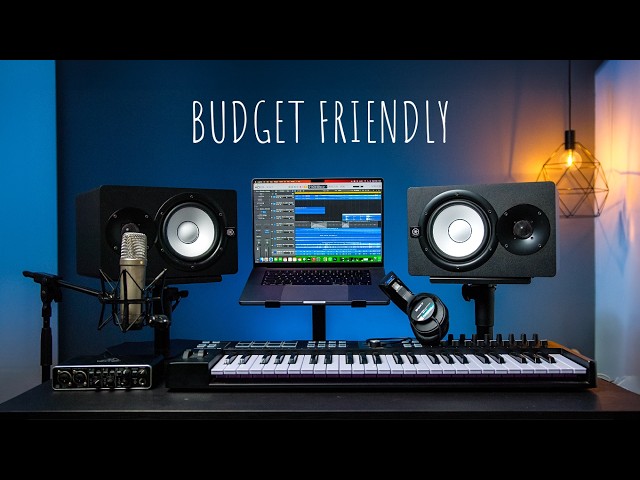
Entry-Level (Around $1,500 - $2,500): This setup would include an AI-enhanced USB microphone (Rode NT-USB+ - $230), a basic audio interface (Focusrite Scarlett 2i2 - $160), a DAW (Reaper - $60), AI-powered plugins (iZotope RX Elements - $130, LANDR subscription - $8/month), and a pair of decent headphones (Audio-Technica ATH-M50x - $150). Acoustic treatment would be minimal – perhaps some foam panels.
Mid-Range ($3,000 - $5,000): This setup would upgrade the microphone to an XLR model (Shure SM7B - $400) paired with a more robust audio interface (Universal Audio Volt 276 - $300), a more comprehensive DAW (Ableton Live Intro - $99), a wider range of AI-powered plugins (iZotope RX Standard - $400, FabFilter Pro-Q 3 - $175), and better studio monitors (Yamaha HS8 - $400/pair). You’d also invest in more substantial acoustic treatment.
Professional ($6,000+): This setup would include a high-end microphone (Neumann TLM 103 - $700), a professional audio interface (Universal Audio Apollo Twin X - $1,000), a full-featured DAW (Pro Tools Studio - $400/year), a complete suite of AI-powered plugins, and high-quality studio monitors and headphones. This setup would also prioritize comprehensive acoustic treatment and a dedicated recording space. Future-proofing means choosing interfaces and DAWs that are likely to receive ongoing AI updates and support.
AI-Powered Home Studio Setup Comparison - 2026
| Setup Level | Recording Quality | AI Integration Level | Flexibility & Scalability | Ease of Use |
|---|---|---|---|---|
| Budget | Acceptable for demos & basic recordings | Basic noise reduction & vocal cleanup | Limited expansion options | Very easy setup; minimal technical expertise needed |
| Mid-Range | Good quality; suitable for professional-sounding projects | Advanced noise reduction, automatic mixing assistance, some intelligent instrument separation | Moderate scalability; can add more equipment as needed | Moderate learning curve; some audio engineering knowledge helpful |
| Pro | Exceptional quality; broadcast-ready recordings | Comprehensive AI suite: advanced mixing, mastering, vocal production, real-time effects processing | Highly scalable; supports complex setups and workflows | Significant learning curve; requires substantial audio engineering expertise |
| Budget (Podcast Focus) | Clear voice recording; acceptable for spoken word | AI-powered voice enhancement & background noise removal | Limited; primarily focused on voice capture | Extremely easy; designed for quick setup and minimal editing |
| Mid-Range (Music Production) | Detailed sound capture; good dynamic range | AI-assisted EQ, compression, and reverb; intelligent virtual instruments | Good; can accommodate multiple instruments and microphones | Requires some familiarity with DAW software and audio concepts |
| Pro (Post-Production) | High-fidelity recording; suitable for film/video work | AI-driven dialogue editing, sound design tools, immersive audio mixing | Extensive; supports complex multi-track projects | Steep learning curve; demands professional-level skills |
| Mid-Range (Voiceover) | Clean and professional vocal recordings | AI-powered vocal correction and noise reduction | Good; can handle different microphone types and recording environments | Relatively easy; focused on vocal performance |
Qualitative comparison based on the article research brief. Confirm current product details in the official docs before making implementation choices.
The Ethical Considerations of AI in Audio Production
The increasing use of AI in audio production raises important ethical questions. Copyright is a major concern. If an AI generates a musical composition, who owns the copyright? The developer of the AI? The user who prompted the AI? Or is the music uncopyrightable? These are complex legal issues that are still being debated.
The potential for AI to displace human musicians and engineers is another valid concern. If AI can create music or mix audio automatically, what will happen to the jobs of those who currently perform these tasks? It’s important to remember that AI is a tool, and like any tool, it can be used for good or ill. It’s up to us to ensure that it’s used in a way that benefits everyone.
Transparency is also crucial. Users should be aware of when AI is being used in the production process. It’s important to avoid misleading listeners into thinking that a song was created entirely by a human when AI played a significant role. Responsible AI development requires a commitment to openness and honesty.
I’m not sure where this technology will ultimately lead, but it’s essential to have these conversations now. We need to develop ethical guidelines and legal frameworks that address the challenges and opportunities presented by AI in audio production. It’s a rapidly evolving field, and we need to be proactive in shaping its future.
No comments yet. Be the first to share your thoughts!